With a reminder….and it’s the harsh truth (we love you tho) if your website isn’t up to snuff, you’re gonna miss out on the the future.

Look. We know that every business needs to take care of their brands’ messaging and online presence in order to get hires. And now you’re thinking, “Well duh, you get paid to do that!”. Okay, you’re right. We may have a vested interest in giving that advice, BUT WE are the people actually paying attention to the data. We see what’s going on in many different verticals and literally see the effects of what we (and frankly other agencies) do to help businesses evolve and grow.

Right now, we happen to be doing a lot of work in the AEC (Architecture, Engineering, and Construction) space and review many different websites and brands.

We hear the same few sentences when we visit potential clients.

  • “People come to us”
  • “We’re already at capacity”
  • “We have enough business”
  • “We work on referrals”

But we also hear…

  • “We are constantly looking for new hires and can’t fill our spots”
  • “Potential employees coming out of college want a salary more than mine and I’ve been here thirty years”
  • “We have a great culture”
  • “Our employees love working here, how do we let people know?”

Look, we get it. But here’s the hard truth (and let’s just focus on attracting talent for now):

Nearly 60% of your best talent won’t apply because they can’t clearly identify who you are or what you stand for from your website.

And in all of our defense,  maybe back in the day that was ok, because hiring was accomplished over a steak dinner, or in the lobby of a Homewood suites during the breakfast buffet while the head of HR was visiting from corporate.

But that ain’t the case anymore.

In fact:

Sources like HR Dive, HiringThing, OnHires, and Indeed show most candidates research companies before applying:

  • 61% visit the company website
  • 64% do broader online research
  • 67% check career pages
  • 86% read company reviews
  • 84% say reputation heavily influences their decision

And furthermore, interest in “company culture”, “quality of life” and “paid time off for paternity leave”, while non existent ten years ago, is trending at the forefront of job searching.

Oh and because we have a few intellects on staff who love facts..here’s a little experiment for you “likeminded, fact seeking” types…basically, some “why” behind the “what”… Don’t wan’t to get into it right now? That’s ok, the bottom line, is most of us overestimate our expertise in awareness and what we know in all areas (see below).
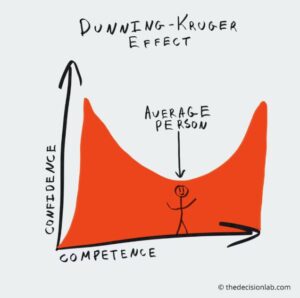
The Dunning-Kruger effect (where the term originated), and not to be confused with the Peter Principle,  explains how people sometimes overestimate their knowledge.

For example, let’s take hiring…

For attracting talent, many employers don’t fully realize how crucial their company website really is.

And it’s not just about having a website — quality matters. According to Glassdoor, nearly 60% of candidates avoid applying if your website is poorly designed or lacks culture info. A CareerArc study says 50%+ reject employers with outdated or unprofessional online presence.

Right now, there are about 17,000 active job listings nationwide on LinkedIn, Glassdoor, Indeed, and Recruit.net — plus an estimated 4,200 more on Craigslist and local ads. With so many options, candidates are picky — and your website could be the difference between attracting or losing top talent.

Your messaging also needs to be tailored. Every candidate has unique life experiences and values that influence in what they want from an employer.

When we were initially tasked with changing the brand messaging and positioning for an established electrical firm, Helix Electric (a company with over 800 employees), their Website was an afterthought. They had plenty of business, according to the CEO which was a testament to their capabilities, however, after we dug further, we understood that they were hiring new talent on a weekly basis but needed a bit more consistency and applications to keep up with their demand. The analysis showed that the Website had an extremely high bounce rate (people going to the home page and leaving). Furthermore, their career section was literally just a link to upload a resume with available positions. They did not showcase anything about their company culture.

Helix Electric careers

So, not to brag but we crushed it…

  • Increased applications
  • Increased time spent on site
  • Created higher quality applicants


And yes… everyone was VERY happy.

Jacob Tyler redesigned their entire online presence and focused on the two most important areas which were number one careers and number two case studies. The new design and focus on impactful messaging need a complete difference by lowering their bounce rate over 40% but also attracting more applications.

It was so successful that they have now asked us to do a landing page to celebrate their 40 year anniversary showcase and company culture.

At Jacob Tyler, we understand the power of clear messaging and a compelling presence — and frankly, we know what we’re doing and have been. Let us help you attract the best candidates and build the future your company deserves.
Choosing the Right Online Advertising Services for Your Business

In today’s digital age, online advertising has become an indispensable tool for businesses of all sizes. With countless platforms, channels, and strategies available, selecting the right online advertising services can be a daunting task. However, when approached strategically, it can be a powerful way to reach your target audience and drive business growth.

Understanding Your Goals and Target Audience

The first step in choosing the right online advertising services is to have a clear understanding of your business goals and target audience. What do you want to achieve with your advertising efforts? Are you looking to increase brand awareness, generate leads, or drive sales? Identifying your objectives will help you narrow down the most effective advertising strategies.

Assessing Your Budget

Online advertising can vary significantly in cost, depending on factors such as the platform, targeting options, and bidding strategy. It’s essential to determine your advertising budget upfront to avoid overspending or underutilizing your resources. Consider your overall marketing budget and allocate a portion to online advertising based on its expected return on investment (ROI).

Exploring Different Online Advertising Platforms

The online advertising landscape is vast, with numerous platforms offering unique opportunities to reach your target audience through targeting, whether through Facebook ads or directly on the Google search results. Some of the most popular options include:

  • Search Engine Advertising (SEA): Search ads on platforms like Google Ads and Bing Ads allow you to display ads on search engine results pages (SERPs) when users search for relevant keywords.
  • Social Media Advertising: Social media platforms like Facebook, Instagram, Twitter, and LinkedIn offer targeted advertising options based on demographics, interests, and behaviors.  
  • Display Advertising: This involves placing banner ads on websites and apps that are relevant to your target audience.
  • Video Advertising: Platforms like YouTube and TikTok offer video ad formats, including skippable and non-skippable ads.
  • Native Advertising: This involves creating content that blends seamlessly with the platform’s editorial content, such as sponsored articles or social media posts.

Choosing the Right Targeting Options

One of the key advantages of online advertising is the ability to target specific demographics, interests, and behaviors. Consider the following targeting options:

  • Demographic Targeting: Target your ads based on factors such as age, gender, location, and income.
  • Interest Targeting: Target your ads based on users’ interests and hobbies.
  • Behavioral Targeting: Target your ads based on users’ past behavior, such as website visits or purchases.
  • Retargeting: Target your ads to users who have previously visited your website or interacted with your brand.

Measuring and Optimizing Your Campaigns

To ensure your online advertising efforts are effective, it’s crucial to track and measure their performance. Key metrics to consider include:

  • Click-Through Rate (CTR): The percentage of users who click on your ad.
  • Conversion Rate: The percentage of users who take a desired action, such as making a purchase or signing up for a newsletter.
  • Cost Per Acquisition (CPA): The cost of acquiring a new customer.  
  • Return on Investment (ROI): The profit generated from your advertising efforts.

Regularly monitor your campaign performance and make adjustments as needed to optimize your results.

Partnering with an Online Advertising Agency

If you’re overwhelmed by the complexities of online advertising, consider partnering with a reputable online advertising agency. They can provide expert guidance, manage your campaigns, and help you achieve your marketing goals.

Conclusion

Online advertising offers a powerful way to reach your target audience and drive business growth. By understanding your goals, assessing your budget, exploring different platforms, and choosing the right targeting options, you can create effective advertising campaigns that deliver results. Remember to measure and optimize your campaigns to ensure maximum ROI. With careful planning and execution, online advertising can be a valuable asset to your business.

Effective Email Marketing Strategy Examples to Boost Conversions

In the digital age, where attention spans are shorter than a goldfish’s memory, email marketing remains a surprisingly effective tool for businesses. It’s like sending a personalized love letter to thousands of potential customers, each one a unique opportunity to nurture relationships, drive traffic, and ultimately boost conversions. You’ve worked hard to secure those precious email addresses, so let’s make sure you make the most of them.

But let’s be real, not all email marketing campaigns are created equal. Some are as exciting as watching paint dry, while others are like a perfectly crafted piece of digital art that leaves a lasting impression.

So, how do you create an email marketing strategy that is more than just spam? Let’s dive into some email marketing tips and inspiring examples to learn the secrets to crafting effective email marketing strategies.

1. The Personalized Powerhouse

Who doesn’t love feeling special? Personalized email campaigns are like a digital handshake, a way to connect with your audience on a deeper level. By tailoring your content to individual preferences, you can increase engagement, open rates, and click-through rates.

Example: A clothing retailer could send personalized product recommendations based on a customer’s past purchases or browsing history. Or, a travel agency could curate a custom itinerary based on a recipient’s dream vacation destination.

Key takeaway: Personalization is the key to creating email campaigns that resonate with your audience. Use data and technology to tailor your content to individual preferences. But beware, personalization done badly can backfire, no-one likes getting an email that begins ‘Hey <firstname>!’.

2. The Segmented Superstar

Not all customers are created equal. By segmenting your email list based on demographics, interests, or behavior, you can create more targeted and relevant campaigns aimed at specific subscriber lists.

Example: A fitness app could send different emails to users based on their fitness goals (e.g., weight loss, muscle gain, improved endurance). Or, an e-commerce store could send targeted promotions to customers based on their purchase history.

Key takeaway: Segmentation allows you to deliver more relevant content to your audience, which can lead to higher engagement and conversions.

3. The Timely Treasure

Timing is everything. Sending emails at the right time can significantly improve your open and click-through rates. Use data to determine the best times to send your emails based on your audience’s behavior.

Example: A restaurant could send a special offer email before lunchtime or dinnertime. Or, an online retailer could send a reminder email about abandoned carts a few hours after a customer leaves their site.

Key takeaway: Timely emails are more likely to be seen and engaged with. Use data to determine the best times to send your campaigns.

4. The Visually Stunning

Let’s face it, we’re a visual species. Emails that are visually appealing are more likely to be noticed and remembered. Use high-quality images, clean layouts, and consistent branding to create emails that are both attractive and informative. If you’re struggling with your branding it might be worth considering engaging a branding agency.

Example: A fashion brand could send a visually stunning email showcasing their latest collection. Or, a travel agency could send an email with compelling images of their destination.

Key takeaway: Visuals can help your emails stand out from the crowd. Use high-quality images and a neat layout to create visually appealing campaigns.

5. The Call-to-Action Champion

What do you want your audience to do? Every email should have a clear call to action (CTA) that guides your audience towards your desired goal. Whether it’s making a purchase, signing up for a newsletter, or downloading a freebie, your CTA should be prominent and easy to find.

Example: An e-commerce store could include a “Shop Now” button in their emails. Or, a blog could include a “Read Now” button at the bottom of their posts.

Key takeaway: A clear and compelling CTA is essential for driving conversions. Make sure your CTA is prominent and easy to find.

6. The Mobile-Friendly Maestro

More than half of all emails are opened on mobile devices. If your emails aren’t optimized for mobile, you’re missing out on a huge opportunity to engage with your audience.  

Example: Use a responsive email template that automatically adjusts to different screen sizes. Or, keep your email content concise and easy to read on smaller screens.

Key takeaway: Mobile optimization is essential for ensuring your emails are easy to read and navigate on any device.

7. The A/B Testing All-Star

Want to know what’s working and what’s not? A/B testing allows you to experiment with different elements of your email campaigns to see what gets the best results and is available through most email marketing tools.

Example: Test different subject lines, CTAs, or email content to see which performs better. Or, test different send times to see when your audience is most engaged.

Key takeaway: A/B testing is a powerful tool for optimizing your email campaigns. Experiment with different elements to see what works best for your audience.

By incorporating these strategies into your email marketing campaigns, you can create more engaging, effective, and conversion-focused emails. Remember, email marketing is a journey, not a destination. Continuously test, analyze, and refine your approach to ensure your campaigns are delivering maximum results.

If you’re looking for a digital marketing agency to help you realize your potential, contact us today.

Building a Solid Digital Marketing Strategy Framework

Building a digital marketing strategy is like constructing a house: without a strong foundation, or framework, the entire structure is at risk of crumbling and not doing its job.

We’ve seen firsthand the transformative power of a well-crafted digital marketing strategy. It’s not just about driving traffic and conversions; it’s about telling your brand’s story in a way that resonates with your target audience.

So, how do you go about building a digital marketing strategy framework that can serve as a foundation for your online presence? Let’s break it down into a few key steps:

1. Define Your Brand Identity

Before you can build a house, you need to know what kind of house you want to build. The same goes for your digital marketing strategy. Start by defining your brand identity. What are your values? What is your unique selling proposition (USP)? Who is your target audience?

If you’ve already got an offline brand identity then great, you’re already part of the way there, but remember attention spans online are very short and you may be talking to a different audience, so make sure you can make a quick impression.

Think about your brand as a person. What would their personality be? What would their style be? By understanding your brand’s identity, you can create a digital marketing plan that is authentic and consistent. Consider engaging a branding agency who can help define your brand and ensure it runs through every part of your strategy. 

2. Conduct a Thorough Competitor Analysis

No brand exists in a vacuum and whether you like how they do things or not, every business has rivals and understanding them is vital. Conduct a thorough competitor analysis: What are your competitors doing well? What are their weaknesses? How can you differentiate yourself?

By studying your competitors, you can identify opportunities and avoid common pitfalls.

3. Set Clear and Measurable Goals

Without clear goals, you’re like a ship without a rudder. Set specific, measurable, achievable, relevant, and time-bound (SMART) goals. Some examples of SMART goals include:

  • Increase website traffic by 20% in the next six months.
  • Generate 100 new leads per month.
  • Improve website conversion rate by 5%.

By setting clear goals, you can track your progress and make data-driven decisions.

4. Create a Content Calendar

Content is king for building brand awareness, but only if it’s relevant and timely. Create a content calendar that outlines what type of content you’ll create, when you’ll publish it, and who will be responsible for creating it.

Consider using a variety of content formats, such as blog posts, videos, infographics, and social media posts, to reach a wider audience in different places.

5. Optimize Your Website for Search Engines (SEO)

If you want people to find your website, you need to optimize it for search engines. This involves a variety of techniques, such as keyword research, on-page optimization, and link building.

By optimizing your website for SEO, you can improve your search results and drive more organic traffic.

6. Leverage Social Media

Social media marketing is a powerful tool for connecting with your target audience. Identify the social media platforms that your audience is most active on and create engaging content that will encourage them to follow, like, and share your posts.

Don’t forget to use social media analytics to track your performance and make data-driven decisions.

7. Build an Email List

Email marketing is still one of the most effective ways to reach your target audience. Build an email list by offering valuable content or incentives to your website visitors.

Once you have an email list, use it to nurture leads and drive conversions.

8. Track and Analyze Your Results

The key to a successful digital marketing strategy is to continuously track and analyze your results. This will help you identify what’s working and what’s not, so you can make adjustments as needed.  

There are a variety of tools available to help you track your digital marketing performance, such as Google Analytics, Google Search Console, and social media analytics platforms.  

Remember, building a solid digital marketing strategy is an ongoing process. It takes time, effort, and patience. But by following these steps and staying up-to-date with the latest trends, you can create a strategy that will help your brand stand out from the competition.

If you’re looking for a helping hand in transforming your digital marketing strategy contact us today.

Refreshing Your Logo: A Key to Staying Relevant


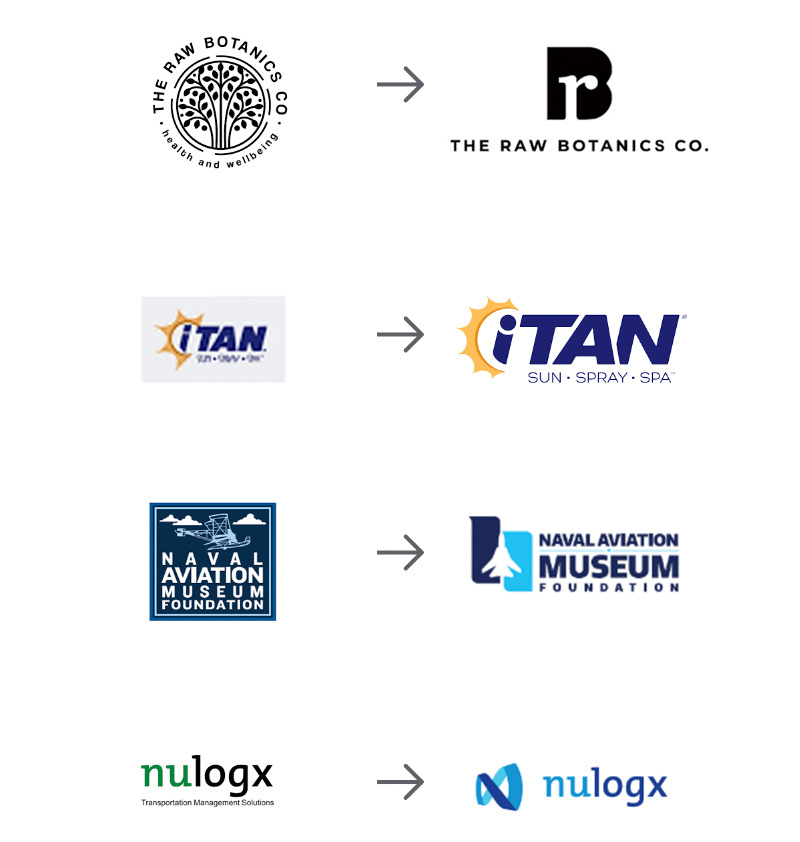
Updating a brand logo is essential to staying relevant, resonating with audiences, and demonstrating innovation in a competitive market. It helps adapt to current trends, attract new customers, and maintain a modern image, ultimately enhancing brand recognition, credibility, and longevity in business and marketing. Some examples Jacob Tyler has completed include:

And of course the evolution of our own wordmark. Notice that the wordmark typography (Bodoni) can last forever. However, taglines and color can have subtle changes over time.

By investing in updating a logo, businesses can enhance brand image, differentiate from competitors, and keep up with the ever-changing consumer preferences. Ultimately, a well-executed logo update can have a significant impact on a company’s success and longevity.

For more examples of great logo transformations and original designs, please visit https://www.jacobtyler.com/branding-agency-work/

_____________________________________________________________________

Overview:

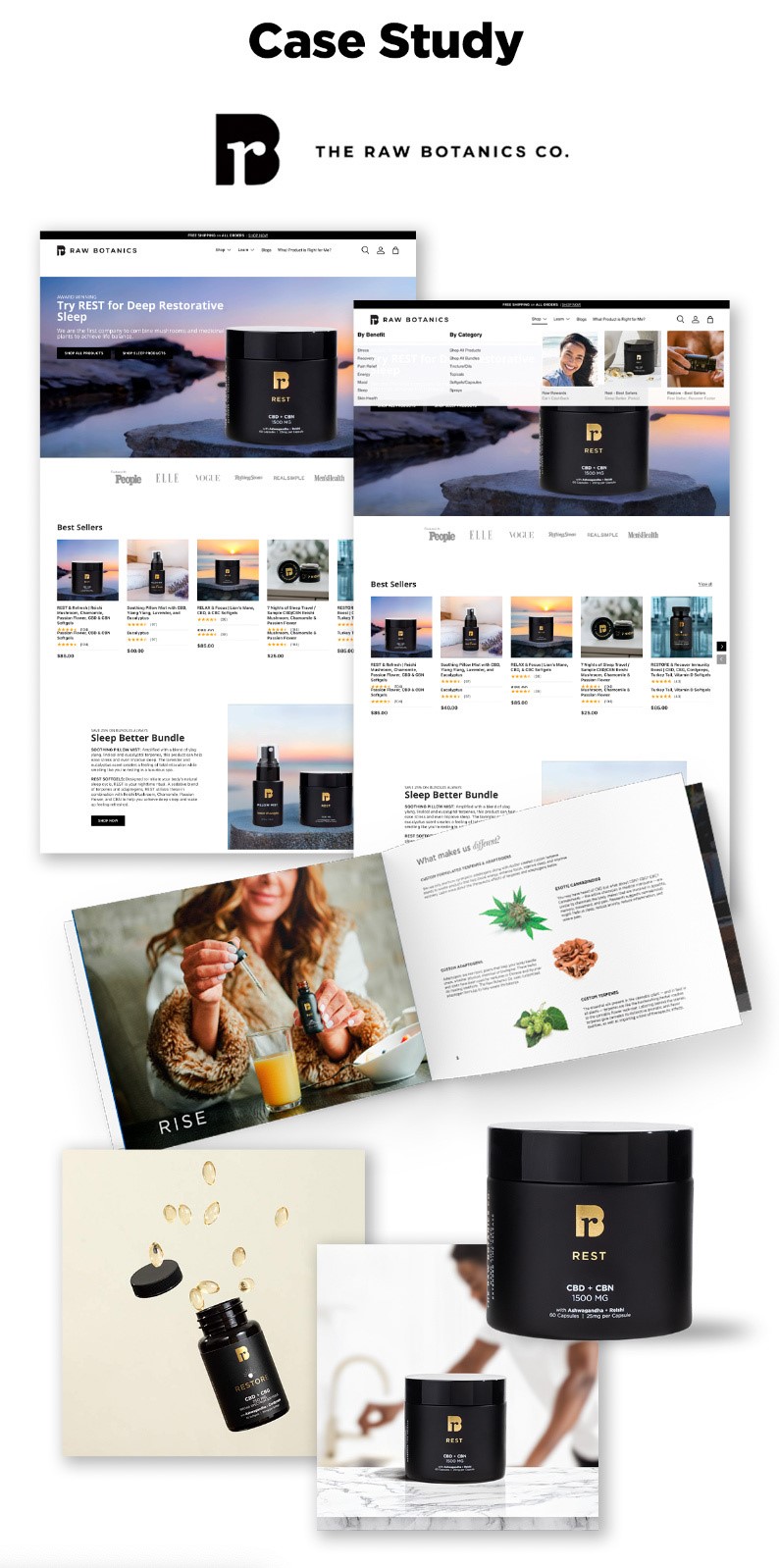
Jacob Tyler, a renowned digital agency specializing in branding, web design, and digital marketing, was tasked with building the brand identity and website for Raw Botanics, a premium organic skincare company. The collaboration between Jacob Tyler and Raw Botanics aimed to establish a strong online presence and elevate the brand’s visibility in the competitive beauty and skincare industry.

Challenges:


1. Brand Differentiation: Raw Botanics operated in a saturated market with numerous competitors offering similar products. Jacob Tyler needed to create a unique brand identity that would set Raw Botanics apart and resonate with the target audience.

2. E-commerce Functionality: The website needed to not only showcase Raw Botanics’ product range effectively but also provide a seamless and secure e-commerce experience for customers.

3. User Experience: Ensuring an intuitive and engaging user experience was crucial to encourage visitors to explore the website, learn about the brand, and make purchases.

Approach:


1. Brand Strategy: Jacob Tyler conducted in-depth market research and competitor analysis to identify Raw Botanics’ unique selling points. We developed a brand strategy that emphasized Raw Botanics’ commitment to organic, cruelty-free ingredients and sustainable practices.

2. Website Design: The design team at Jacob Tyler created a visually appealing and user-friendly website that reflected Raw Botanics’ brand identity. The website featured high-quality imagery, clear product descriptions, and easy navigation to enhance the user experience.

3. E-commerce Development: Jacob Tyler integrated a robust e-commerce platform (Shopify, Klaviyo, Okendo, Recharge) into the website, allowing customers to browse products, read reviews, and make secure online purchases with ease. We also implemented features like abandoned cart recovery and seamless checkout to improve conversion rates.

Results:


1. Strong Brand Identity: The collaboration between Jacob Tyler and Raw Botanics resulted in a distinctive brand identity that included packaging design, marketing collateral, photography, and more that resonated with consumers looking for natural and sustainable skincare solutions.

2. Increased Online Visibility: The new website helped Raw Botanics improve its online visibility and attract a larger audience of eco-conscious consumers. This led to an increase in website traffic and sales.

3. Positive User Feedback: Customers praised the user-friendly design and seamless shopping experience provided by the website, leading to higher customer satisfaction and loyalty.

Overall, Jacob Tyler’s expertise in branding and web design, combined with Raw Botanics’ commitment to quality and sustainability, resulted in a successful partnership that elevated the brand’s online presence and drove business growth.

Please visit and try
www.rawbotanics.com

Top Brand Architecture Examples: Lessons from Leading Brands

Brand architecture is the way a company organizes and structures its different brands and products. It’s crucial to define how various elements of a brand relate to each other and how they present themselves to the market.

There are three primary brand architecture models: monolithic, endorsed, and house of brands. The monolithic architecture uses a single brand for all products, while endorsed architecture features a primary brand with sub-brands that carry the endorsement of the main brand. Freestanding architecture involves separate brands with little to no direct connection. Each type has its own advantages and challenges, depending on the company’s goals and market position.

A well-defined brand architecture helps create a clear and consistent image. It ensures that all brand elements work together harmoniously and makes it easier for customers to understand and relate to the brand. This structure is not just about organizing brands but also about setting a foundation for strategic growth and market presence.

Key Elements of Effective Brand Architecture

Clarity and Simplicity

Effective brand architecture is clear and simple. It ensures that customers easily understand the relationships between various brands and products. Clear brand architecture avoids confusion and helps customers quickly identify what each brand stands for.

When a brand’s structure is straightforward, it makes it easier for consumers to navigate through different products or services. For example, a company with a clear structure allows customers to know exactly where to find what they need without feeling overwhelmed by too many choices.

Flexibility and Scalability

Brand architecture needs to be flexible and scalable. As companies grow and enter new markets, their brand architecture should adapt to these changes. A flexible architecture allows a company to add new brands or products without disrupting the existing structure.

Scalable architecture helps companies manage their brand portfolio as they expand. This means that as new products or sub-brands are introduced, they fit seamlessly into the existing structure, maintaining consistency and coherence.

Consistency Across Touchpoints

Consistency is a crucial element of brand architecture. It ensures that the brand message remains uniform across all customer touchpoints, whether online or offline. Consistent branding helps build trust and reinforces the brand’s identity. When a brand maintains a consistent message, it strengthens its position in the market.

Lessons from Leading Brands

Lesson 1: Cohesive Brand Messaging

Leading brands excel in maintaining a cohesive message throughout their entire portfolio. This means that every sub-brand or product reflects the core values and identity of the main brand. A cohesive message helps in building a strong, unified brand image.

Brands that manage this well create a seamless experience for their customers. Whether a customer interacts with the main brand or one of its sub-brands, they receive a consistent and recognizable message that reinforces their connection to the brand.

Lesson 2: Strategic Brand Hierarchy

A well-defined brand hierarchy is essential for managing brand relationships and customer perceptions. Leading brands establish a clear hierarchy that shows how different brands or products relate to each other.

A strategic hierarchy helps customers understand the brand’s structure and find what they are looking for more easily. It also helps the company manage its brand portfolio efficiently, ensuring that each brand or product supports the overall brand strategy.

Lesson 3: Customer-Centric Design

Leading brands design their architecture with the customer experience in mind. This means structuring their brands and products in a way that enhances the customer’s journey and meets their needs.

A customer-centric approach ensures that the brand architecture aligns with how customers interact with the brand. It makes the customer experience smoother and more enjoyable, which can lead to increased loyalty and satisfaction.

Implementing Effective Brand Architecture

Steps for Developing Brand Architecture

Creating or revising brand architecture involves several steps. Start by defining the brand’s core values and goals. Then, determine how different brands or products will fit into the overall structure. Design the architecture to be clear, flexible, and consistent with the brand’s identity.

It’s important to regularly review and update the brand architecture to ensure it remains relevant and effective. This involves assessing how well the architecture supports the company’s growth and market changes.

Common Pitfalls to Avoid

Avoid common mistakes such as creating a complex or confusing structure. Be cautious about inconsistency in branding. Ensure that all elements of the brand architecture align with the overall brand message.

To overcome these challenges, focus on simplicity and clarity. Regularly evaluate the effectiveness of the brand architecture and make adjustments as needed to maintain a strong and coherent brand identity.

Key Takeaways from Top Brand Architecture Examples

Top brand architecture examples offer valuable lessons in creating a strong and effective brand structure. By focusing on clarity, flexibility, consistency, and customer-centric design, companies can build a brand architecture that supports their goals and enhances the customer experience.

If you need help developing or refining your brand architecture, contact Jacob Tyler today. We can provide expert guidance to help you create a brand structure that works for your business and drives success.

Why Your Business Needs Brand Audit Services Today

Brand audit services involve examining various aspects of your brand to understand its strengths and weaknesses. This process includes analyzing your brand’s message, image, and market position.

Brand audit services help businesses gain insight into how their brand is viewed by customers and whether it aligns with the company’s goals. The audit covers everything from customer perceptions to the consistency of your brand’s message across different channels.

Benefits of Brand Audit Services

Identify Strengths and Weaknesses

One of the main benefits of brand audit services is identifying what works well and what doesn’t. By pinpointing these areas, you can focus on enhancing your brand’s strengths and addressing any weaknesses. This process helps ensure that your brand effectively reaches and resonates with your target audience.

Enhance Brand Consistency

Brand consistency is key to building trust with your customers. A brand audit reveals inconsistencies in how your brand is presented and communicated. Addressing these inconsistencies ensures that your brand delivers a unified message, which strengthens your brand’s identity and helps in creating a stronger connection with your audience.

Improve Customer Perception

A brand audit provides insights into customer opinions and how well your brand’s image matches your intended message. Improving alignment between customer perceptions and your brand’s goals helps in building a more favorable brand image.

Strategic Planning

The insights gained from a brand audit are valuable for strategic planning. They inform decisions on marketing strategies, brand positioning, and overall business strategy.

When Should You Consider a Brand Audit?

Brand Refresh or Rebranding

If you’re planning a brand refresh or a complete rebranding, a brand audit is essential. It helps you understand the current state of your brand and provides a foundation for making changes. This ensures that your new brand direction is well-informed and addresses any existing issues.

Performance Plateau

When your business growth stalls, a brand audit can identify underlying issues. It helps determine whether your brand strategy needs adjustments or if external factors are affecting performance. Addressing these issues can help reignite growth and improve business performance.

Market Changes

Markets are dynamic, and customer preferences change over time. Regular brand audits are essential for staying ahead of market shifts. By assessing your brand’s performance and perception in response to changing conditions, you can ensure continued relevance and effectiveness.

Competitive Pressure

To thrive in today’s competitive landscape, understanding your brand’s position is essential. A brand audit helps to measure your brand against competitors, identifying areas for improvement and capitalizing on opportunities to strengthen your market standing.

The Brand Audit Process: What to Expect

Initial Assessment

The brand audit process begins with an initial assessment. This involves gathering information about your brand, setting objectives for the audit, and outlining the scope of the review. This phase helps in establishing a clear understanding of what needs to be evaluated.

Data Collection

During the data collection phase, various methods are used to gather information. This may include surveys, interviews with customers, and analysis of competitor brands. Collecting comprehensive data is crucial for understanding how your brand performs and is perceived.

Analysis and Reporting

Once the data is collected, it is analyzed to identify patterns and insights. The analysis focuses on evaluating brand strengths, weaknesses, and opportunities for improvement. A detailed report is then created, summarizing the findings and offering actionable recommendations.

Implementation of Recommendations

The final step involves applying the recommendations from the audit. This may include adjusting your brand strategy, improving brand messaging, or addressing inconsistencies. Implementing these recommendations helps enhance your brand’s effectiveness and alignment with business goals.

Choosing the Right Brand Audit Service Provider

Experience and Expertise

When selecting a brand audit service provider, look for experience and expertise. Choose a provider with a proven track record in conducting brand audits and understanding brand strategy. Their experience will ensure a thorough and effective audit.

Methodology

Evaluate the provider’s methodology to ensure it aligns with your needs. A good provider will use a comprehensive approach to assess your brand’s performance and provide actionable insights. Understanding their methods helps in selecting a provider that fits your requirements.

Client Support

Consider the level of support offered by the provider. Ongoing support and guidance are important for implementing audit recommendations and making necessary adjustments. Choose a provider that offers robust support throughout the audit process and beyond.

Cost and Value

Balance the cost of brand audit services with the value they provide. While cost is a factor, it’s essential to consider the benefits and insights gained from the audit. Investing in quality brand audit services can lead to significant improvements in your brand strategy.

Why Brand Audit Services Are Essential for Your Business

Brand audit services are crucial for businesses seeking to maintain a strong and effective brand presence. They offer valuable insights into your brand’s performance and help identify areas for improvement. By regularly auditing your brand, you ensure that it remains relevant, consistent, and aligned with your business goals.

For a thorough and effective brand audit, contact Jacob Tyler today. Our brand audit services provide the insights and recommendations you need to enhance your brand strategy and achieve your business objectives.

Mastering Competitive Landscape Analysis: A Quick Guide

Competitive landscape analysis involves identifying and assessing your competitors within your market. This process helps you understand where you stand compared to others and find ways to improve your business strategies. The goal is to gain insights into your market position, spot opportunities, and recognize potential threats. This analysis will empower you to make smarter decisions that drive business success.

Key Components of Competitive Landscape Analysis

To perform a competitive analysis, start by getting an overview of the market. This involves understanding the market size, growth trends, and key segments. Knowing this will help you grasp the broader context in which your competitors operate.

Next, identify who your competitors are. Distinguish between direct competitors, who offer similar products or services, and indirect competitors, who meet the same customer needs in different ways. Understanding both types is crucial for a complete analysis.

Once you’ve identified your competitors, create detailed profiles for each one. Gather information about their strengths and weaknesses, their strategies, and their market share. This will help you understand their positioning and how they approach the market.

Steps to Conduct Competitive Landscape Analysis

First, determine your goals. For instance, you might aim to understand your product’s position in the market or uncover untapped opportunities.

The next step is to gather data. Look for information about your competitors through various sources like industry reports, their websites, customer reviews, and news articles. Collecting data from multiple sources will give you a well-rounded view of the competitive environment.

After gathering data, analyze it to identify key insights. Compare your competitors’ strategies, strengths, and weaknesses with your own. Look for trends and patterns that could inform your strategy. This analysis might involve comparing pricing strategies, product features, and marketing tactics.

Translate your findings into actionable strategies. For instance, if you discover that a competitor has a strong presence in a particular market segment, you might decide to focus your efforts on that segment to gain a competitive edge.

Lastly, competitive landscape analysis is not a one-time task. Continuously monitor the market and your competitors to stay updated on any changes. This ongoing process will help you adapt your strategies as needed and remain competitive.

Tools and Resources for Competitive Landscape Analysis

A wealth of tools can help you gather and analyze competitor data. Tools like Google Alerts and SEMrush can help by monitoring industry trends and competitor activities.

For a deeper dive into competitor performance, consider competitive intelligence tools such as SimilarWeb and BuzzSumo. These platforms provide detailed information on website traffic, content effectiveness, and social media engagement, empowering you to benchmark your performance and uncover opportunities.

Common Challenges and How to Overcome Them

Ensuring data accuracy is crucial for reliable insights. Verify information from multiple sources to avoid misleading conclusions. The dynamic nature of markets demands constant vigilance. Stay updated on industry trends and competitor moves through continuous monitoring. Lastly, resource constraints can be a hurdle. Prioritize analysis areas based on their potential impact and explore cost-effective research methods.

Mastering Competitive Landscape Analysis for Success

In conclusion, mastering competitive landscape analysis is essential for staying ahead in your industry. A deep understanding of your market, coupled with a keen eye on competitors and the right analytical tools, can provide invaluable insights to guide your business strategy. If you need assistance with competitive landscape analysis or have any questions, contact Jacob Tyler today to get expert help and improve your business strategies.

Elevating Your Brand: The Power of a Product Marketing Agency

In today’s tough market, how well a brand sells its products or services really matters. That’s where product marketing agencies shine. These agencies are experts at helping businesses promote what they offer in smart ways, boosting the brand and grabbing more market share.

Understanding Product Marketing Agencies

Product marketing agencies are distinct from traditional agencies in their focused approach toward promoting products or services. Their primary role is to devise and execute comprehensive marketing strategies tailored specifically to highlight the benefits of the products being marketed.

Collaboration is key when working with a product marketing agency. They work closely with internal teams to align strategies and goals, ensuring that the marketing efforts are in line with the overall vision and objectives of the brand.

Advantages of Hiring a Product Marketing Agency

One of the most significant advantages of hiring a product marketing agency is their expertise and experience in the field. These agencies bring specialized knowledge and skills to the table, along with industry insights and best practices that can significantly benefit the brand. 

By leveraging the expertise of a product marketing agency, brands can ensure that their marketing efforts are well-informed and effective. In addition to expertise, hiring a product marketing agency can also lead to significant time and resource savings for the brand. 

The Importance of Strategic Marketing

In a crowded marketplace, simply having a great product or service isn’t always enough to stand out. Effective marketing is crucial for capturing the attention of potential customers and persuading them to choose your brand over competitors. Product marketing agencies specialize in crafting strategic marketing plans that highlight the unique value propositions of your offerings. 

By carefully positioning your brand and messaging, these agencies help you connect with your target audience in meaningful ways, driving engagement and ultimately increasing sales.

Leveraging Expertise for Success

Navigating the complexities of modern marketing requires a deep understanding of consumer behavior, market trends, and digital technologies. Product marketing agencies bring a wealth of expertise to the table, leveraging their knowledge and experience to develop tailored strategies that resonate with your audience. 

From conducting market research to optimizing advertising campaigns, these agencies provide valuable insights and recommendations that can significantly impact the success of your marketing efforts. By partnering with a product marketing agency, you gain access to a team of seasoned professionals dedicated to helping your brand thrive in today’s competitive landscape.

Steps to Choosing the Right Product Marketing Agency

Choosing the right product marketing agency is crucial for the success of your marketing efforts. Research potential agencies thoroughly, paying attention to their experience, industry expertise, and track record.

When evaluating agencies, consider their capabilities and services in detail. When looking for marketing agencies, ensure they offer a full range of services and inquire about their approach to strategy development and execution.

Finally, cultural fit and communication are essential factors to consider when choosing a product marketing agency. You’ll be working closely with the agency on your marketing initiatives, so it’s important to ensure compatibility in working styles and values. Choosing an agency that values transparency and collaboration is essential for a successful partnership.

Maximizing the Partnership with Your Product Marketing Agency

Once you’ve chosen a product marketing agency to work with, it’s important to establish clear communication channels and provide necessary resources and support. Regular meetings, updates, and relevant data enable effective marketing strategies.

Fostering a collaborative environment is also crucial for maximizing the partnership with your product marketing agency. Encourage brainstorming sessions and idea-sharing, and emphasize the importance of teamwork and mutual respect. By working together closely, you can leverage the expertise of the agency to achieve your marketing goals and elevate your brand.

Elevate Your Brand Today

In conclusion, partnering with a product marketing agency can be a game-changer for your brand. Product marketing agencies can help you create and execute successful marketing strategies by leveraging their expertise, experience, and collaborative approach. Contact us today to learn more about how our product marketing services can help you succeed.

Strategic Digital Media Planning: Maximizing Your Presence

Having a strong online presence is important for businesses to thrive. To achieve this, strategic digital media planning is essential. It’s not just about being present on various online platforms; it’s about being strategic in how you utilize them to reach your target audience effectively. In this guide, we’ll explore the fundamentals of digital media planning and how you can leverage it to maximize your online presence.

Understanding Digital Media Planning

Digital media planning involves strategizing and implementing campaigns across various digital channels to achieve specific marketing objectives. It’s about understanding your audience, and setting clear goals to deliver your message. 

Conducting Audience Research

One of the cornerstones of digital media planning is understanding your audience. This involves more than just knowing their demographics; it’s about understanding their behaviors, preferences, and pain points. Develop audience personas to better tailor your messaging and content to their needs. The better you understand your audience, the more targeted and effective your digital media campaigns will be.

Setting Clear Objectives

Before diving into digital media planning, it’s crucial to establish clear objectives. These objectives should be SMART: Specific, Measurable, Achievable, Relevant, and Time-bound. Clear digital media objectives guide strategy and measure success.

Choosing the Right Digital Media Channels

With numerous digital media channels available, it’s important to choose the ones that align with your objectives and audience preferences. SEM enables reaching users actively searching for products or services like yours through search engine marketing. Display advertising, email marketing, and content marketing are also valuable channels to consider based on your goals and target audience.

Crafting Compelling Content

Content is king in the digital world. Whether it’s blog posts, videos, infographics, or social media posts, high-quality, relevant content is key to engaging your audience and driving action. Tailor your content to each digital media channel, ensuring it resonates with your audience and encourages them to take the desired action.

Budget Allocation and Optimization

Allocate your budget based on your objectives, audience size, and the potential return on investment (ROI) of each channel. Continuously monitor campaign performance and adjust your budget allocation accordingly to optimize results. Remember, it’s not just about how much you spend; it’s about how effectively you spend it.

Continuous Improvement and Adaptation

Digital media planning is not a one-time endeavor; it’s an ongoing process of optimization and adaptation. Test different strategies, messages, and creative elements to see what resonates best with your audience. By staying agile and responsive, you can ensure that your digital media efforts remain effective and impactful.

Exploring Emerging Trends in Digital Media Planning


The digital landscape is constantly evolving, and staying ahead of emerging trends is essential for maintaining a competitive edge. Keep an eye on emerging technologies and platforms that could impact your digital media strategy. For example, the rise of voice search and smart speakers presents new opportunities for reaching consumers in more conversational and personalized ways. 

Similarly, the increasing popularity of live streaming and ephemeral content on platforms like TikTok and Snapchat offers brands new avenues for engaging with their audience in real-time. By staying abreast of these emerging trends and incorporating them into your digital media planning, you can stay ahead of the curve and stand out in a crowded online marketplace.

Harnessing the Power of Data-driven Insights

Leveraging data insights is paramount to success in digital media planning. Use data analytics to track the performance of your campaigns in real-time and make informed decisions based on actionable insights. Analyze audience engagement metrics to understand what content resonates most with your audience and tailor your strategy accordingly. 

Dive deep into demographic and psychographic data to segment your audience and deliver more personalized messaging. By harnessing the power of data-driven insights, you can refine your digital media planning efforts, optimize your campaigns for better results, and ultimately, maximize your online presence.

Elevate Your Online Presence with Strategic Digital Media Planning

In conclusion, by understanding your audience, setting clear objectives, choosing the right channels, crafting compelling content, and optimizing your budget and performance, you can elevate your brand’s visibility and engagement in the digital space. Contact us today to learn how we can help you develop and execute a winning digital media strategy.