

Introduction
Branding is more than just a logo or a tagline – it’s the heart and soul of your business’s identity. In an increasingly competitive market, a strong brand can be the difference between blending in and standing out. Think of iconic companies like Apple or Coca-Cola: their names immediately conjure certain feelings, images, and expectations. That’s the power of effective branding. For business owners, marketing directors, and brand managers, understanding and mastering the branding process is essential to attract customers, differentiate from competitors, and foster loyalty over the long term.
At Jacob Tyler, we’ve spent years helping businesses build compelling brands from the ground up. This comprehensive guide distills that expertise into an approachable resource. You’ll learn what branding truly means (and why it matters), how to develop a robust brand strategy, and how to craft a cohesive brand identity – including the visual elements and design principles that make your brand recognizable. We’ll also explore defining your brand voice, the ongoing process of brand development, and strategies for building trust and loyalty with your audience. Throughout the guide, we’ll reference detailed topics from our branding blog series – from creating a brand strategy that sets you apart to shaping brand perception through design – so you can dive deeper into those areas as needed.
By the end of this guide, you’ll have a clear roadmap for building a strong brand identity that resonates with your customers. More importantly, you’ll understand how all the pieces of branding (strategy, visuals, voice, consistency, and reputation) fit together to elevate your business. Let’s embark on “The Ultimate Guide to Branding”, and discover how to transform your brand into a powerful asset for long-term success.
Table of Contents
- What Is Branding? – Understanding what branding is (and isn’t) and why it’s critical for business success.
- Developing a Brand Strategy – How to create a brand strategy that sets you apart, including defining your mission, values, target audience, and brand positioning.
- Designing Your Brand Identity (Visual Branding) – All about brand identity: logos, colors, typography, and visual guidelines that shape brand perception.
- Defining Your Brand Voice – Finding and maintaining a consistent brand voice to communicate with impact.
- Brand Development: Bringing Your Brand to Life – Implementing your brand across channels and evolving it over time (brand launch, management, and growth).
- Building Brand Trust and Loyalty – Strategies to build trust with your audience and cultivate long-term loyalty.
- Practical Examples of Branding in Action – Real-world case studies (successes and failures) that illustrate key branding principles.
- Common Branding FAQs – Answers to frequently asked questions and common objections about branding.
- Conclusion & Next Steps – Recap of key takeaways and a call-to-action for further guidance or partnership with Jacob Tyler.
What Is Branding?
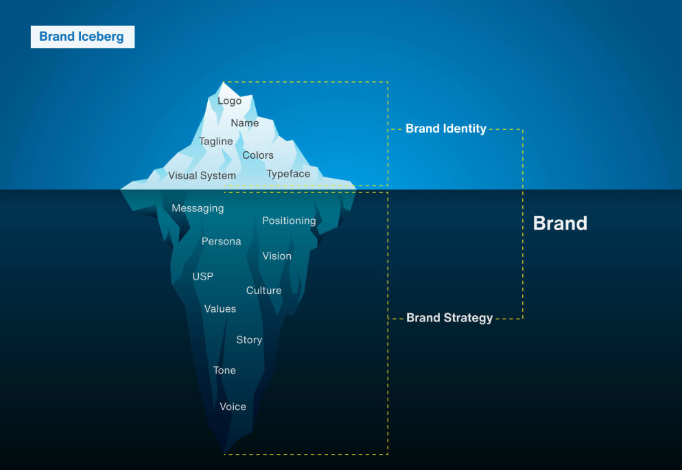
Defining Branding: In simple terms, branding is the process of creating a distinct identity for your business in the minds of consumers. It encompasses who you are (your core values, mission, and vision), what you offer (products or services and the promise they carry), and how you present yourself (your visual design, communications, and customer experience). A common misconception is that a brand is just a logo or a name. In reality, those elements are part of a broader concept. Your brand is the overall perception people have of your company – it’s the feeling and impression that comes to mind when someone hears your business name. Branding, therefore, is the active work of shaping that perception. As one definition puts it, a brand is a “name, term, design, symbol, or any other feature” that distinguishes one company’s offerings from another’s. But branding goes beyond surface features; it’s about creating meaning and emotional connection.
Brand vs. Marketing: It’s also important to differentiate branding from marketing. Marketing is the set of tactics and activities you use to promote your products or services (campaigns, ads, content, etc.), often focusing on short-term goals and immediate customer actions. Branding, on the other hand, is strategic and long-term. It’s about defining who you are and why you exist, which in turn guides your marketing messaging and strategy. You can think of branding as the foundation – it’s the strategy that underpins marketing execution. For example, your brand defines your target audience and the promise you make to them; your marketing then communicates that promise through various channels. A clear brand gives your marketing efforts a coherent story and personality. Without solid branding, even the best marketing campaigns may feel unfocused or fail to resonate deeply with customers.
Why Branding Matters: Branding isn’t just for show – it has real business impact. A strong brand can elevate your company’s value, help you acquire and retain customers, and even make hiring easier (people are attracted to brands with a good reputation). From a financial perspective, brands are incredibly valuable assets. Studies have shown that intangible assets like brand reputation often account for a large portion of a company’s market value. On major stock exchanges, an estimated 50–75% of the market capitalization of companies comes from intangibles (which includes brand equity), and over 70% of the value of Fortune 500 companies is tied to intangible assets like brands. In other words, the majority of a big company’s worth isn’t in physical things – it’s in the strength of its brand and other intangibles. This makes sense: consumers tend to buy from names they recognize and trust, even willing to pay a premium for a trusted brand. A well-known example is how people often choose a $4 branded bottle of water over a generic version – the brand itself carries perceived quality and credibility.
Branding = Promise + Experience: At its core, a brand is essentially a promise to customers. It sets an expectation about the quality, value, and experience your company will deliver. Successful brands not only make that promise clear and compelling, but also consistently deliver on it. Every interaction a customer has with your business – visiting your website, using your product, contacting customer service, seeing your social media – should reinforce your brand promise. This consistency is what builds a strong reputation over time. As branding experts often say, your brand is what people say about your company when you’re not in the room. Through deliberate branding, you influence those conversations and shape a positive image. In the next sections, we’ll break down the key components of branding (strategy, identity, voice, etc.) and guide you on developing each facet to build a cohesive and powerful brand identity.
Developing a Brand Strategy
Every successful brand starts with a strategy. A brand strategy is a long-term plan for developing a brand’s purpose, vision, and positioning. It’s the blueprint that guides all your branding efforts, ensuring that what you do is aligned with why you do it. In our experience at Jacob Tyler, companies that invest time in crafting a clear brand strategy end up with stronger, more consistent brands. Strategy is where you answer foundational questions: Who is our target audience? What problem do we solve for them? What values do we stand for? What makes us different in the marketplace? By answering these, you create a roadmap for how your brand should behave and be perceived.
Key Elements of a Brand Strategy: While brand strategy can be complex, it typically includes a few core elements. Below are the critical components you should define:
- Purpose and Mission: Start with why your company exists beyond just making money. What mission drives you? For example, a company might have the mission to “simplify financial planning for everyday families” – this purpose becomes a guiding light for the brand. A clear mission inspires both your team and your customers, giving them a reason to believe in your brand. Your mission (what you seek to do every day) and your vision (the aspirational future you aim to achieve) together articulate the purpose of your brand.
- Core Values: Define the principles and beliefs that your brand stands for. Values humanize your brand and help form an emotional connection with your audience. They also guide internal decision-making. For instance, if innovation and customer empathy are core values, they should influence how you develop products and treat customers. Brands like Patagonia (valuing environmental responsibility) or Starbucks (focusing on community & inclusion) have values that shine through their every action – which, in turn, attracts like-minded customers.
- Target Audience: Identify in detail who you are trying to reach. The more specific you can be about your ideal customer groups, the better you can tailor your brand message to resonate with them. Develop buyer personas or profiles that include demographics (e.g. age, gender, location), psychographics (interests, values, lifestyle), and needs/pain points. Understanding your audience ensures that your branding speaks to them and for them. For example, a brand targeting millennial entrepreneurs will craft a very different tone and image than one targeting retired seniors. In “How to Create a Brand Strategy That Sets You Apart”, our dedicated article on brand strategy, we emphasize the importance of niche targeting – knowing your audience deeply so you can set your brand apart in meeting their specific needs.
- Brand Positioning: This is the heart of your strategy – how you position your brand in the market relative to competitors. Your brand positioning statement encapsulates who your brand is for (target audience), what category you’re in, your unique benefit (value proposition), and the reasons to believe that promise. In other words, what makes you different and better from alternatives? A strong positioning finds a unique space in customers’ minds. For example, Volvo is positioned around safety (for families who prioritize safety in a car), while Tesla is positioned around innovation and sustainability in the automotive market. Your positioning should highlight a differentiator that matters to your audience. In crafting your strategy, list out your top competitors and identify what makes your brand unique – whether it’s your product quality, your company story, your superior service, price point, or a specific feature.
- Brand Promise: Based on your positioning, clarify the promise you make to customers. This is often encapsulated in a tagline or a concise statement. It should flow naturally from your mission and positioning. For instance, FedEx’s implicit brand promise is “absolutely, positively overnight delivery” (reliability and speed), while Airbnb promises “Belong Anywhere” (making travelers feel at home). A compelling brand promise gives customers a reason to choose you and sets expectations for their experience. As Harvard Business Review notes, “the key to successful brand building is a clear and specific promise to the customer that can be demonstrably fulfilled.” – meaning you must articulate a promise that addresses customer needs and ensure your business can live up to it consistently.
- Messaging and Story: Think about the key messages and narratives you want to communicate. This includes your brand’s elevator pitch (how you describe what you do in a few sentences) and brand story (the narrative of how your company started or why it exists). Humans connect with stories, so a compelling brand story – for example, the founder’s journey or a customer success tale – can differentiate you in a way facts and features don’t. Your messaging should consistently reinforce your positioning and values. For example, if authenticity is a core value, your messaging might include stories of craftsmanship or community impact to underscore that authenticity.
Once you’ve defined these strategic elements, document them in a brand strategy guide or brief. This document will serve as a reference for your team and any partners (like agencies or contractors) to ensure everyone understands what the brand stands for. It also lays the groundwork for creating your brand identity and voice, which we’ll discuss next. Remember, a great strategy doesn’t live on paper – it should inform every decision from product development to marketing campaigns. When a brand strategy is well-defined, it becomes the North Star for the company’s growth.
Differentiation and Competitive Edge: One of the primary goals of brand strategy is differentiation. In crowded markets, having a strong brand strategy helps you avoid being a commodity. Ask yourself: What can we do or say that competitors can’t easily copy? It might be an aspect of your product/service, a unique philosophy, or even an unusual brand personality. Our article “How to Create a Brand Strategy That Sets You Apart” explores this in depth – highlighting that differentiation can come from innovation, better customer experience, or even brand personality. For instance, Dollar Shave Club broke through a saturated razor market not by superior blades, but with a bold, humorous brand personality and a subscription model – a strategic positioning that set them apart. Your brand strategy should identify such opportunities for standing out.
Aligning Brand and Business Strategy: It’s worth noting that your brand strategy should align with your overall business strategy. Branding isn’t something done in isolation by the marketing department – it’s intertwined with your business model and operations. If your business strategy is to be a premium service provider, your brand strategy will likely focus on quality, exclusivity, and superior service experience. If your business aims to disrupt with low-cost solutions, your brand might be positioned as affordable, accessible, and user-friendly. Alignment ensures that the promises your brand makes are supported by the reality of your business operations and customer experience.
Finally, keep in mind that brand strategy is long-term. It’s not unusual for core aspects of a brand strategy to remain consistent for many years or even decades. That consistency helps build brand equity (value in the brand). However, a brand strategy isn’t static either – it should be revisited periodically to ensure it remains relevant as markets and consumer preferences evolve. Next, we’ll move from strategy to execution: translating that strategy into a compelling brand identity that customers can see and recognize instantly.
Designing Your Brand Identity (Visual Branding)

If brand strategy is the blueprint, brand identity is the tangible manifestation of your brand that people interact with. This includes your name, logo, colors, typography, imagery, and design style – essentially all the visual (and some sensory) elements that distinguish your brand. Brand identity is what shapes first impressions. It’s often the first thing someone notices about your brand, even before they ever buy from you. A well-crafted identity makes your business memorable and credible, while a weak or inconsistent identity can undermine the trust you’re trying to build.
Components of Brand Identity: Let’s break down the key components that make up a brand’s visual identity:
- Brand Name & Tagline: Your brand name is a fundamental part of identity. It should be distinctive, easy to remember, and aligned with your brand’s personality and values. Whether it’s descriptive of what you do (e.g., PayPal, Whole Foods) or a completely abstract name (Google, Kodak), ensure it’s something that resonates with your target audience. A tagline or slogan is an optional but powerful addition – a short phrase that encapsulates your brand’s promise or vibe (think Nike’s “Just Do It” or Dollar Shave Club’s “Shave Time. Shave Money.”). If you use a tagline, it often appears alongside your logo and reinforces your positioning or promise in a few words.
- Logo: The logo is the centerpiece of your visual identity – a symbol or wordmark that represents your brand. A good logo is simple, appropriate, and versatile. It might be an icon (like Apple’s apple or Nike’s swoosh) or a stylized writing of your brand name (like Coca-Cola’s script font). When designing a logo, consider how it looks in different sizes and contexts (on a large sign, on social media profiles, in black and white, etc.). A complex logo may look great on a webpage but become unrecognizable when scaled down to a favicon. Many brands opt for simplicity for this reason. Consistency in logo usage is crucial; your brand guidelines should specify exactly how the logo can and cannot be used (spacing, colors, alternate versions, etc.) to maintain a uniform look everywhere.
- Color Palette: Colors carry psychological associations and become strongly linked to your brand in people’s minds. Think of Tiffany & Co.’s robin egg blue, or McDonald’s red and yellow. Choose a color palette that aligns with the emotions or qualities you want to convey. For example, blue often conveys trust and stability (used by many banks and tech firms), green can imply growth or health (used by brands like Whole Foods or Spotify), and bold colors like red or orange can evoke excitement or creativity. Typically, a brand palette includes a primary color (often the main brand color, like IBM’s blue), secondary colors for complementary use, and neutral tones (black/white/gray) for backgrounds or text. Consistent use of color is shown to increase brand recognition significantly – in fact, color improves brand recognition by up to 80% according to some studies. Once you select your colors, use them consistently in your logo, website, marketing materials, and anywhere your brand appears.
- Typography: The fonts you use in your logo and marketing materials are another part of identity. Typography can convey personality – for example, serif fonts (with small “feet” on letters) can feel traditional or trustworthy, sans-serif fonts (clean letters) tend to feel modern and approachable, and script or decorative fonts can feel elegant or playful depending on style. Many brands choose one or two main typefaces: one for headings or logo, and one for body text. Ensure readability and consistency. Some brands even commission custom typography for a truly unique look (think of Coca-Cola’s distinctive font or the Google wordmark font). If custom fonts aren’t feasible, selecting unique but widely available fonts and using them consistently also works. Like colors, avoid random font changes – stick to your chosen typefaces to build familiarity.
- Imagery and Graphics: This encompasses the style of photos, illustrations, icons, and even layouts that your brand uses. Over time, these visual elements create a recognizable style. For example, a brand might decide that their imagery will be bright, candid photographs of real customers in everyday situations – conveying authenticity and relatability. Another brand might use sleek, minimalist product photos against white backgrounds to convey elegance. Some brands develop custom iconography or illustration styles (think Mailchimp’s playful illustrations or Google’s use of Material Design icons) that become part of their identity. Even your website or brochure layout styles (use of white space, geometric versus organic shapes, etc.) contribute to visual identity. When defining your identity, consider creating a mood board – a collage of images, colors, and designs that capture the vibe you want. This can guide designers in creating on-brand visuals.
- Additional Elements: Depending on your brand, there may be other sensory identity elements. For example, some brands have signature sounds (the Netflix “ta-dum” sound or the McDonald’s jingle), which is called audio branding. Others might have a unique scent in their stores (retail and hospitality brands sometimes do this). While these are less common and more context-specific, they can powerfully reinforce brand recognition when applicable. For most companies, visual identity is the primary focus, but it’s useful to note that branding can engage all senses.
Once you’ve crafted these elements, compile them into a Brand Style Guide (also called brand guidelines or brand book). This document ensures that anyone using your brand assets does so correctly. It will include details like the exact color codes for your brand colors, the fonts and how/where to use them, spacing rules for the logo, example imagery, and dos and don’ts. A robust style guide is extremely helpful as your team grows or you work with outside vendors, because it preserves the integrity of your visual branding.
The Power of Visual Consistency: Visual branding truly shines when it’s consistent everywhere. Consistency means using the same logo, colors, and style across all platforms – your website, social media profiles, print materials, office signage, etc. Why is this so important? Consistency builds recognition and trust. When people repeatedly see the same visual cues, they start to associate them with your company’s values and quality. Over time, those cues alone (like a glimpse of your logo or even your brand color) can trigger recognition. Research confirms this impact – consistent branding can dramatically improve financial outcomes. According to a Lucidpress Brand Consistency report, presenting a brand consistently across all platforms can increase revenue by an average of 33% (How to fix content design mistakes that hurt your branding | Setka) (How to fix content design mistakes that hurt your branding | Setka). This makes sense: familiarity bred by consistency leads to consumer trust, and consumers are more likely to buy from brands they recognize and trust.
Consider brands like Coca-Cola – the red and white color scheme, the ribbon-like logo script, and even the shape of the Coke bottle are instantly recognizable worldwide. Coca-Cola has maintained core elements of its visual identity for decades, making it one of the most recognized brands on the planet. This doesn’t mean your visuals can never evolve (brands do refresh their identities occasionally, which we’ll discuss in brand development), but any changes should be deliberate and guided by strategy, not random. The takeaway: commit to your visual identity and apply it uniformly. Treat your brand assets as sacred; use them correctly and require the same of partners.
Shaping Perception Through Design: Visual branding isn’t just about looking “pretty” – it directly influences how people perceive your brand. Studies on first impressions show that users judge a brand (often via its website) within milliseconds. One famous study found that it takes only about 50 milliseconds (0.05 seconds) for users to form an opinion about a website’s visual appeal. Furthermore, the vast majority of first impressions are design-related. In one research study of website credibility, 94% of participants’ initial feedback was about the design elements (layout, colors, etc.), whereas only 6% was about the content. The key takeaway: good design immediately engenders trust and interest, while poor design causes users to doubt and leave quickly. This principle extends beyond websites to all brand touchpoints – packaging, ads, storefronts, etc. For example, if your product packaging looks cheap or inconsistent with your website, customers might question the quality of what’s inside. On the flip side, a cohesive and high-quality design at every touchpoint signals professionalism and reliability. That’s why investing in good design for your brand identity is so critical. Visual branding is not an area to cut corners – it’s often worth hiring professional designers or a branding agency (like Jacob Tyler) to ensure your brand identity is polished and effective.
Visual Branding in Action – “Visual Branding 101”: We delve deeper into how design shapes brand perception in our piece “Visual Branding 101: How Design Shapes Brand Perception.” In that article, we explore topics like the psychology of colors, how typography choice can influence whether a brand feels luxurious versus casual, and how imagery can target specific demographics. One example we discuss is how a tech startup can use modern, minimalist design with ample white space and a cool color palette (blues or greens) to communicate simplicity and trustworthiness, whereas a children’s apparel brand might use playful fonts and vibrant colors to appear fun and kid-friendly. The design choices must match the brand personality and appeal to the preferences of the target audience. A critical lesson is that every design element should be intentional – ask “does this represent our brand attributes and will our audience respond well to it?”
Now that we’ve covered the visual side of branding, remember: your brand identity and brand strategy go hand-in-hand. The visuals should embody the strategy. For instance, if one of your brand values is innovation and your positioning is being cutting-edge, your visuals should likely be sleek, modern, maybe even a bit bold or unconventional. If your brand personality is friendly and approachable, perhaps your logo has rounded shapes and your imagery features smiling people. There should be a cohesive story between what you say (strategy/messaging) and what you show (visuals). When strategy and identity align, your brand is much more powerful. Next, we’ll talk about brand voice – giving your brand a consistent personality in the way it communicates.
Defining Your Brand Voice

Just as your visual identity makes your brand recognizable at a glance, your brand voice makes your brand recognizable in words. Brand voice is the consistent personality, tone, and style in which your brand communicates, whether it’s through written content, spoken ads, or even how your customer service reps talk to clients. It encompasses the language you use (formal vs. casual, complex vs. simple), the tone (friendly, authoritative, witty, compassionate, etc.), and the overall vibe of your communication. A well-defined brand voice helps you connect with your target audience and differentiate your brand through the character that comes across in your messaging.
Why Brand Voice Matters: People often form an impression of your brand not just by what you say, but how you say it. Is your social media caption playful and humorous, or is it serious and factual? Does your website copy feel like an encouraging coach, or an academic professor, or a caring friend? These tone choices significantly affect how approachable and relatable your brand is. A consistent brand voice builds familiarity. Over time, customers come to recognize a message as coming from your company even before seeing the logo or sender, simply because the style is distinctive. For example, one might recognize a tweet from Wendy’s fast-food chain by its famously snarky and witty tone, or a blog post by a company like HubSpot by its helpful, upbeat, and informal tone that reflects expertise without jargon.
How to Define Your Brand Voice: Start by revisiting your brand strategy – particularly your brand personality and values – and your target audience. Your voice should be an authentic reflection of who you are and resonate with who you’re speaking to. Here’s a step-by-step approach to defining voice:
- List Brand Adjectives: Choose about 3-5 adjectives that describe your brand’s personality as if it were a person. Are you authoritative, playful, empathetic, irreverent, sophisticated, down-to-earth? For instance, a B2B brand in finance might choose “authoritative, trustworthy, and informative” for their voice, aiming to instill confidence. A lifestyle brand for young adults might choose “playful, witty, and inclusive” to sound like a friend. At Jacob Tyler, when we help clients with this, we often use exercises (sometimes even fun ones like “if your brand were a celebrity, who would it be?”) to pinpoint the personality traits that align with their brand identity.
- Consider Your Audience Preferences: Tone should also meet audience expectations to some extent. If you’re targeting C-level executives, a very slangy, meme-filled voice might not convey the credibility they seek (unless your brand positioning is deliberately iconoclastic). Conversely, if you target teens, an overly formal tone will miss the mark. Find a balance where your brand’s natural personality intersects with what engages your audience. For example, a company like Slack (business communication app) found a voice that’s both professional and slightly whimsical, because they cater to business users who appreciate a break from overly stiff corporate communication. They use a friendly, often lighthearted tone without sacrificing clarity.
- Create Voice Guidelines: Document specifics with examples. It can help to make a table of “Voice characteristics” and “How we sound” vs. “How we do NOT sound.” For example: “We are friendly and conversational – we use ‘you’ and ‘we’, ask rhetorical questions, and keep tone warm. We are not overly formal or filled with corporate jargon.” Another: “We are authoritative – we cite credible facts, speak confidently about our expertise. We are not arrogant or condescending.” By clearly delineating this, anyone creating content for you can adopt the right voice. Include examples of sentences written in-brand and out-of-brand to illustrate the differences. Over time, these guidelines help maintain a unified voice across different team members and channels.
- Tone Flexibility: Brand voice is the overall personality, but tone might vary slightly by context while staying true to voice. For instance, your brand voice might always be friendly, but the tone in a customer support email (helpful, patient) will naturally differ from the tone in a promotional Instagram post (excited, playful). It’s okay for tone to have some range depending on emotion or channel, but it should always feel like facets of the same personality. Think of how an individual might be more serious at work and more joking with close friends – still recognizably them, but adapting to context. Outline in your guide how tone might shift in situations: e.g., “When addressing an issue or mistake, our tone is apologetic and sincere (but we still use simple, clear language). When celebrating a company milestone on social media, our tone is excited and grateful.”
Examples of Brand Voice: Many well-known brands owe a lot of their popularity to a distinctive voice:
- Old Spice (the men’s grooming brand) is a classic case of voice reinvention. The brand famously shifted from an old-fashioned, macho tone to an absurdist, over-the-top humorous voice around 2010 (with the “The Man Your Man Could Smell Like” campaign). This bold, witty voice attracted a younger audience and made their ads highly memorable. It was a strategic choice to differentiate in a boring category. The result? Sales for Old Spice surged (at one point, up 107% year over year after the campaign), showing how a strong voice coupled with great creative execution can translate into real growth.
- Mailchimp (an email marketing platform) has a brand voice that is friendly, quirky, and encouraging. Their content, from onboarding emails to their famous public style guide, uses plain language, a touch of humor, and a supportive tone as if they’re cheering on the small businesses who use their tools. This voice resonates with their users who may feel intimidated by marketing tech – Mailchimp’s approachable tone helps reduce fear and builds affinity.
- Harley-Davidson is another example: their voice is rugged, bold, and rebellious, mirroring the biker persona. They famously address their community of riders in a tone that’s passionate and a bit defiant, which reinforces the lifestyle aspect of their brand. It’s a voice that says “we’re free spirits and rule-breakers” without having to state it outright.
The key learning from these examples is authenticity. Old Spice succeeded because the outrageous humor was executed authentically and consistently across ads and social media, matching a refreshed brand image. Mailchimp’s voice works because it aligns with their brand identity of being a user-friendly, fun brand in what could be a dull software space. Your brand voice should ring true to who you are – any dissonance will be noticed. For instance, if a bank tried to suddenly use teenage slang on Twitter to appear cool, it might come off as inauthentic and confuse its positioning of trustworthiness.
Maintaining a Consistent Voice: Once defined, maintaining your brand voice is an ongoing effort. Here are some tips:
- Ensure all content creators (writers, social media managers, sales reps, etc.) are trained on the voice guidelines. Hold a workshop or share the brand voice document with examples.
- Review content periodically for voice. In the early stages, you might have an editor or brand manager check that communications align with the voice, giving feedback and adjustments as needed.
- Infuse your voice into all channels: website copy, social posts, blogs, videos, press releases, customer support scripts, automated email responses – everything. This doesn’t mean every channel uses the exact same phrasing, but the overall personality should be recognizable. Consistency here builds that “familiar friend” effect with your audience.
- Update your voice/tone guidelines if your brand evolves or if you find the need to tweak how you communicate. For example, if down the line you expand your audience to include a new demographic, you might introduce slightly adapted language to appeal to them while staying true to your core voice.
Our deep-dive article “The Power of Brand Voice: How to Communicate with Impact” provides further guidance on developing your brand’s tone and voice, including exercises to refine your writing style and ensure it resonates. In that piece, we also discuss how brand voice extends to verbal communication: for instance, how your sales or support team speaks on calls should also reflect your brand voice (professional and courteous, or informal and chatty, etc., depending on your brand). A truly strong brand voice is cohesive across both written and spoken words.
With your strategy, visual identity, and voice defined, you have the key building blocks of your brand established. The next step is bringing this brand to life and maintaining it – a process we refer to as brand development. This involves rolling out your brand across all touchpoints and keeping it consistent and strong as your business grows or changes.
Brand Development: Bringing Your Brand to Life
Developing a brand isn’t a one-and-done task – it’s an ongoing journey. Brand development refers to the process of implementing, managing, and continually growing your brand over time. It starts when you launch your new brand (or rebrand) and extends through every phase of your business as you adapt to new markets, new offerings, or evolving consumer preferences. In this section, we’ll cover how to roll out your brand and ensure it’s lived day-to-day, as well as how to periodically evaluate and evolve your brand to keep it strong.
Launching Your Brand (Internal and External): Once you’ve crafted your brand strategy, identity, and voice, the first step in brand development is a successful launch. Launching has two critical components – internal branding and external branding:
- Internal Branding: This means educating and aligning your team with the new brand. Everyone in your organization should understand the brand’s mission, values, and how to represent it. Conduct training or workshops to walk employees through the brand guidelines. Share the brand story in an inspiring way so that employees feel connected to it. For example, you might host a brand kickoff meeting, present the new logo and messaging, explain the “why” behind the brand, and discuss how each person plays a role in delivering the brand promise. When employees are brand advocates, they’ll convey a consistent experience to customers. Internal branding might also include updating company materials (office decor, internal documents, email signatures) to reflect the brand. The goal is to ensure that from the front desk receptionist to the CEO, everyone is on the same page about what the brand stands for and how to communicate it.
- External Launch: This is the public unveiling of your brand to the world. If you’re a new company, this might coincide with your business launch – your website goes live, social media profiles open, marketing campaigns commence, all reflecting your brand identity. If it’s a rebrand for an existing company, an external launch involves changing over your logo and visuals everywhere (website, signage, product packaging, etc.), and possibly announcing the change to your customers and the public. Rebrands should be handled with care – explain to customers why the change is happening (e.g., “We’ve evolved, and our new look and message better reflect who we are now”). It’s wise to use a multi-channel approach: press releases, email newsletters to customers, social media announcements, and events can all be leveraged to introduce the brand. The key is consistency: ensure that on day one of your launch, the new brand is presented uniformly across all channels to avoid confusion. Nothing undermines a brand launch faster than half-measures (e.g., a new logo on your website but the old logo still on your product – customers will notice the inconsistency).
Building Brand Awareness: After launch, brand development focuses on building awareness and equity. This is where your marketing efforts integrate with branding. Use your brand strategy to guide targeted marketing campaigns that spread your brand message. Early on, you want your target audience to start recognizing your name, logo, and what you stand for. Tactics can include content marketing (e.g., publishing valuable blog posts or videos that reflect your brand voice and expertise), social media engagement, PR efforts to get media coverage, events or sponsorships, and so on. Every touchpoint in these campaigns should reinforce your brand elements. For example, if you publish an industry report, it should carry your visual identity (cover design with your colors and logo) and your brand voice in the writing. Over time, consistent marketing and customer experience will build brand equity, which is the value and strength of your brand in the marketplace (often measured by things like brand recognition, customer preference, and loyalty).
Ensuring Brand Consistency and Monitoring: Brand development also means being the guardian of your brand as you grow:
- Brand Guidelines Enforcement: Continue to enforce the use of your brand guidelines. As you create new marketing materials or hire new team members, make sure the brand standards are upheld. It can be helpful to have a brand manager or someone in charge of reviewing major public-facing items for consistency. Simple checks like, “Are we using the correct logo file? Are our tone and messaging on-brand in this campaign?” can prevent brand drift.
- Monitoring Brand Perception: Keep an eye (and ear) on how your brand is being perceived by your audience. This can be done through social listening (monitoring social media mentions and sentiment), customer surveys, reviews, and feedback from sales or support teams who interact with customers. Are people associating the attributes with your brand that you intend? For example, if you wanted to be seen as innovative and customer-centric, periodically check if customers indeed describe you that way. If not, analyze why and adjust your branding or operations accordingly. Brand perception studies or brand health surveys can be done annually to gauge metrics like awareness, consideration, and brand associations in the minds of consumers.
- Adapting to Feedback: As your company interacts with the market, you might discover that some aspects of your branding aren’t hitting the mark. Perhaps customers consistently mispronounce your brand name, or maybe they interpret your logo differently than intended. Be open to learning and making tweaks. Brand development isn’t about stubbornly sticking to a plan if evidence shows a need for change. Especially in the early stages, remain agile – you might fine-tune your tagline or adjust your customer service scripts based on real feedback. Just ensure changes are still in line with your core strategy, and once tweaked, you enforce the new standard consistently going forward.
Evolving Your Brand (Rebranding & Refreshing): Over the long term, most brands will go through some evolution. Industries change, new competitors emerge, and your own business may expand or shift focus. Part of brand development is knowing when and how to refresh your brand:
- Minor Refresh: Every few years, brands often do a brand refresh – this could be updating the logo subtly, adding new colors to the palette, or modernizing the visual style. The idea is to stay current and avoid looking outdated, without losing brand equity. For example, companies like Google or Starbucks have iteratively simplified and modernized their logos over time, but the changes were subtle enough that the average person still instantly recognizes the brand. A refresh can also apply to voice or messaging – perhaps incorporating new language that’s trending or updating the tagline to better fit new offerings. If your core brand is sound, a refresh is an evolution, not a complete overhaul.
- Major Rebrand: Sometimes a more dramatic brand change is needed – for instance, if your company pivots to a new business model, merges with another company, or if the brand has been significantly tarnished by some event and you need a reset. A major rebrand might involve a new name, new logo, and an entirely new positioning. This is a big undertaking and can be risky (since you might lose some existing brand recognition), so it should be driven by strong strategic reasons. When done right, though, it can breathe new life into a company. A famous example: Old Spice (mentioned earlier) reinvented its brand to shed its “your grandfather’s cologne” image and appeal to young men – this involved new advertising, a new tone, and repositioning, while the name remained. Another example: Dunkin’ Donuts rebranded to just “Dunkin’” in 2019, to signal it’s about more than donuts (coffee, beverages, etc.) and to modernize the brand. They updated store designs, logos, and messaging accordingly. Major rebrands require re-launching as we described and should include heavy communication to bring customers along so as not to alienate them.
- Case Study – Tropicana’s Lesson: It’s worth noting how not to handle a brand evolution. Tropicana (PepsiCo’s orange juice brand) decided to do a major packaging rebrand in 2009, replacing its iconic “orange with a straw” imagery with a new minimalistic design. The change was not well-communicated and fundamentally misread what customers loved about the brand. The result was a disaster – loyal customers were confused or felt the product itself might have changed, and within two months of the packaging change, Tropicana’s sales plunged by 20%, amounting to a $30 million loss. The outcry was so severe that Tropicana reverted to the old packaging soon after. The lesson here is that brand changes must be carefully researched and tested with your core audience. Brands can hold deep emotional connections (in Tropicana’s case, families had nostalgia around that orange-with-straw logo). If you take a drastically different direction, you risk breaking that bond. Always evaluate the equity of your current brand elements – change the ones that no longer serve you, but don’t throw away aspects that are actually working just for the sake of change. And when change is necessary, engage your customers and clearly communicate the why behind the evolution to bring them on the journey.
Brand Management as an Ongoing Discipline: Brand development never really stops. It becomes a matter of brand management: consistently delivering your brand promise and monitoring your brand health. As your business grows, you might expand into new markets or add new product lines. Each time, you should ask – how do these fit under our brand? Do we launch them as sub-brands, or as products under the main brand? (Think about how Google develops new products like Gmail, Google Maps, etc., all under the Google brand umbrella, versus how Procter & Gamble operates a house of brands where each product line – Tide, Pampers, etc. – has its own distinct brand.) These decisions affect how you develop and structure your brand for the long term.
Also, ensure your brand keeps up with cultural and technological changes. A brand that felt cutting-edge in 2015 might seem stale by 2025 if it hasn’t adapted its design style or messaging for new platforms (for example, brands now consider how their logo looks as a mobile app icon or how their voice sounds on social media or voice assistants – considerations that barely existed a decade ago). Regular brand audits – an evaluation of all your brand touchpoints – can help identify areas where the brand presentation or experience might be slipping or could be improved.
In summary, brand development is about implementation and adaptation. It’s where the rubber meets the road: you take the carefully crafted brand framework and actually use it to shape customer experiences. And as the road twists and turns with time, you adjust the brand without losing control of the wheel. With strong brand development and management, your brand will not only maintain the strength it started with but continue to grow stronger, accruing loyalty and trust among your audience.
Building Brand Trust and Loyalty

Trust and loyalty are the holy grails of branding. After all, the ultimate goal of establishing a strong brand identity is to win customers’ trust so that they not only choose you initially, but continue to choose you again and again (and even advocate for you to others). In this section, we’ll explore how to cultivate trust in your brand and turn satisfied customers into loyal brand ambassadors.
Why Trust Is Essential: In a marketplace overflowing with choices, consumers gravitate towards brands they trust. Trust in a brand means the customer believes you will deliver on your promises, treat them fairly, and act with integrity. According to Edelman’s well-known consumer research, a vast majority of people say brand trust is a deciding factor in purchase. In fact, 81% of consumers reported “I must be able to trust the brand to do what is right” as a key consideration for a purchase decision. That’s an overwhelming figure – it implies that no matter how good your product or marketing is, if people don’t trust your brand, they likely won’t buy from you. Trust is built (or broken) through every interaction a customer has with your company. It takes time to build and can be lost quickly, which is why it’s so critical to approach brand trust deliberately.
How to Build Brand Trust:
- Consistency and Reliability: We’ve touched on consistency in visual and voice, but it extends to consistency in performance. Deliver the same quality product or service every time. If you promise a certain level of service, make sure customers get that experience uniformly. Consistency in what the brand does (not just what it says or looks like) proves that you mean what you say. This also includes being reliable with commitments – for example, meeting shipping times, honoring warranties, and providing dependable customer support. When customers feel they can count on you repeatedly, trust grows.
- Transparency: Be open and honest in your communications. Brands that hide information or appear secretive can breed skepticism. Transparency can take many forms: clearly explaining what’s in your products, being upfront about pricing (no hidden fees), or openly addressing mistakes and how you’re fixing them. A great example is how some brands handle a crisis or error – the trustworthy approach is to communicate quickly, take responsibility, and outline corrective actions. Customers are often forgiving when a brand is honest. Transparency also means aligning your brand values with your actions. If one of your values is sustainability and you market that, be transparent about your sustainability efforts (and shortcomings). Authenticity in this regard is key; modern consumers, especially Millennials and Gen Z, have finely tuned “BS detectors” and will call out brands that act contrary to their proclaimed values.
- Customer-Centric Approach: Show that you genuinely care about your customers’ needs and satisfaction. This means listening to feedback, engaging with customers (especially on social media or support channels), and going the extra mile to resolve issues. Personalization can help too – brands that remember customer preferences or tailor communications (while respecting privacy boundaries) demonstrate that they see customers as individuals, not just dollar signs. Another aspect is being empathetic in your interactions; for instance, if a customer has a complaint, a scripted, robotic response will erode trust, whereas a compassionate, solution-focused response can actually turn a dissatisfied customer into a loyal one by showing that you value them.
- Social Proof and Advocacy: People trust other people more than marketing. Encourage and highlight user reviews, testimonials, and case studies. If potential customers see that their peers have had positive experiences with your brand, it builds credibility. This is why strategies like influencer partnerships or word-of-mouth referrals can be powerful (though they must align with authenticity – paid endorsements should be genuine and disclosed). Loyalty programs can transform trust into an ongoing relationship by rewarding repeat business and making customers feel appreciated. Moreover, loyal customers often become brand advocates – they’ll refer friends or defend your brand online, which further amplifies trust for others. According to Nielsen research, recommendations from friends and family are the most trusted form of advertising, so cultivating a loyal customer base that willingly recommends you is invaluable.
- Delivering Value Consistently: Ensure that you continue to solve customer problems and provide value beyond the transaction. This could mean offering helpful content, improving your product over time (updates, new features in line with customer needs), or providing great post-purchase support. When customers feel they are getting ongoing value, they have a reason to stay loyal. Also, make sure there is alignment between expectation and reality: avoid over-promising in your branding or advertising. It’s better to slightly under-promise and over-deliver than vice versa. Brands that hype themselves unrealistically set customers up for disappointment, which breaks trust.
Building Loyalty: Trust is the foundation, and loyalty is the outcome when trust is sustained over multiple interactions. Loyal customers are those who come back regularly and feel an attachment to your brand. Here are some strategies to foster loyalty:
- Loyalty Programs and Incentives: Many companies have formal loyalty or rewards programs (points systems, tiered memberships, referral bonuses, etc.) that incentivize repeat purchases. These can be effective when well-designed – for example, Starbucks’ Rewards app keeps customers coming back frequently to earn stars for free drinks, and along the way it personalizes offers based on their habits. The key is to make customers feel their loyalty is appreciated. Even simple gestures, like a small discount for a repeat customer or a thank-you note after a purchase, can solidify a positive feeling.
- Community Building: Create a sense of community around your brand. This is especially potent for brands that represent a lifestyle or identity (think Harley-Davidson’s HOG rider community or Lego’s fan community). Social media groups, forums, or hosting events (virtual or in-person) can help customers feel part of something bigger associated with your brand. When people form relationships with other customers or with the brand’s team, their loyalty deepens because it’s no longer just transactional – it’s relational. They’re not just buying a product; they’re part of a tribe. For example, fitness brands like Peloton or CrossFit have thrived by cultivating strong communities where members motivate each other and proudly identify with the brand.
- Engagement and Two-Way Communication: Engaging loyal customers for feedback on new ideas or involving them in beta tests can make them feel valued and heard. It also improves your offerings. Some brands create advocate programs or insider clubs where top fans get early access or exclusive perks. These not only reward loyalty but also generate excitement that can spread to others. When customers see that a brand genuinely listens and evolves thanks to customer input, it reinforces that the brand cares – which in turn boosts loyalty.
- Consistent Customer Experience: As companies grow, maintaining the same level of personal touch can be challenging, but it’s crucial for loyalty. Ensure that each time a customer interacts with your brand, the experience is as good as (if not better than) the last. Consistency here involves customer service quality, product quality, and user experience across all channels. A customer should feel as good about your brand when browsing your website or using your app as they do in a physical store or vice versa. Omnichannel consistency in service prevents frustration. Many customers become disloyal after one too many poor experiences. On the flip side, consistently positive experiences create a habit of choosing your brand without even considering alternatives – which is the hallmark of loyalty.
The ROI of Loyalty: It’s often said that retaining customers is far more cost-effective than acquiring new ones. This is absolutely true – research by Bain & Company famously quantified that a 5% increase in customer retention can lead to a profit increase of 25% to 95%. Loyal customers not only buy more over time, but they also can be less price-sensitive since they trust your value, and they refer others (reducing your acquisition costs). Another stat to consider: acquiring a new customer can cost five to 25 times more than retaining an existing one (The Value of Keeping the Right Customers). So from a financial perspective, investing in loyalty and satisfaction programs yields high returns. Many brands track metrics like Customer Lifetime Value (CLV) to ensure they are maximizing the value of the customer relationships they already have, not just chasing new leads.
Trust, Loyalty, and Brand Advocacy in Action: Our article “How to Build Brand Trust and Loyalty with Your Audience” offers more examples and tactics on this subject. One highlight from that discussion is the concept of brand integrity – aligning what you say with what you do. Brands that take meaningful actions consistent with their values often earn deep trust. For example, if a brand claims to care about social responsibility, seeing them actively donate to causes or implement eco-friendly practices reinforces trust among consumers who share those values. This, in turn, can create loyalists who stick with the brand not only for the product, but because they believe in what the brand stands for.
We also cover managing customer concerns and objections as an important facet: promptly addressing negative reviews or criticism can actually increase trust if handled well. Brands that are responsive and solution-oriented even in the face of problems show accountability, which customers appreciate. On the contrary, brands that ignore or delete criticism without addressing it can quickly lose trust.
In summary, brand trust and loyalty are earned by aligning your brand’s talk and walk. By consistently delivering value, communicating honestly, and treating customers with care and respect, you pave the way for a loyal customer base. Loyalty isn’t just about a customer’s willingness to re-purchase; it’s about emotional connection. When someone says “I love this brand,” that’s the pinnacle – it means your brand has secured a place in their heart and mind. And from that point, they are far more likely to stick with you through mistakes, try your new products, and bring others along with them.
Next, let’s look at a few real-world examples of branding in action – to see how the principles we’ve discussed come together in practice, and what lessons they offer.
Practical Examples of Branding in Action
To solidify our understanding, it’s helpful to examine real-world cases where branding played a pivotal role – whether as a triumph or a learning experience. Below are a few practical examples that illustrate key concepts from this guide:
- Old Spice – Rebranding and Brand Voice Transformation
Key Point: Repositioning an old brand for a new audience through bold brand voice and identity.
Old Spice was a classic men’s grooming brand that, by the late 2000s, had a reputation as an outdated product your grandfather might use. The brand was losing relevance with younger consumers. To turn this around, Old Spice undertook a major branding overhaul focused on brand voice and image. In 2010, they launched the now-famous “The Man Your Man Could Smell Like” campaign. The ads featured actor Isaiah Mustafa delivering rapid-fire witty monologues in absurd situations, all while touting Old Spice body wash. This introduced a brand voice that was confident, humorous, and delightfully over-the-top. It was a radical departure from their previous staid approach – and it resonated big time. The campaign went viral on social media and YouTube, and Old Spice followed up by interacting with fans online using the same comedic voice (personalized video responses, witty tweets, etc.).
The visual identity also got a refresh – brighter packaging, a modernized logo, and advertisements with a fresh, meme-worthy style that caught the eye of younger audiences. The result was a rejuvenated brand that people were suddenly talking about again. Sales reflected this success: in the months following the rebrand campaign, Old Spice saw a 107% increase in sales year-over-year for its body wash line. Old Spice effectively repositioned itself from “dated aftershave” to “fun, must-have grooming essential for young men” largely through the power of a differentiated brand personality. The lesson here is that even legacy brands can reinvent their identity. By deeply understanding a new target audience (young men and even the girlfriends/wives buying for them) and daring to break industry norms, Old Spice set itself apart. The consistency of the new voice across all channels – TV, online, social – also showed how a unified brand voice can create a cohesive brand experience that captures attention and loyalty.
- Apple – The Power of Brand Ecosystem and Consistency
Key Point: Building a loyal following through consistent brand experience and emotional branding.
Apple Inc. is often cited in branding discussions because they exemplify many best practices. Over decades, Apple has cultivated a brand identity of innovation, simplicity, and premium quality. Visually, Apple is extremely consistent: the clean Apple logo (a simple apple with a bite), a minimalist design aesthetic across its products (sleek lines, minimal buttons), packaging (famous for its elegant unboxing experience), and retail stores (clean, bright, and modern layouts). The brand voice is equally consistent – Apple’s messaging is usually concise, focused on how products enable creativity and enrich lives, rather than technical jargon. Phrases like “Think Different” (their iconic tagline from the late ’90s) and product slogans (e.g., “the ultimate browsing experience” for a Mac) are aspirational and customer-focused.
How has this consistency paid off? It has created a brand ecosystem where customers often become loyal to Apple across multiple product categories. Someone buys an iPhone, then perhaps a MacBook, then an Apple Watch, partly because the seamless experience and design carry over – it all feels like part of one family. Apple has one of the highest customer loyalty and satisfaction rates in consumer electronics. This loyalty translates into massive financial success; Apple customers are known for their willingness to line up overnight for new product releases or pay premium prices, in large part because of the trust and emotional connection Apple’s brand has built. Apple’s brand stands for reliability and cutting-edge innovation – customers trust that an Apple product will be well-built and intuitive. Moreover, Apple has successfully created an emotional narrative around creativity and challenging the status quo (as seen in their advertising like the famous 1984 Super Bowl commercial or the “Think Different” campaign featuring visionary figures). This emotional branding fosters a deeper loyalty; customers feel an almost personal affinity with what Apple represents.
The takeaway from Apple: when you maintain a high level of quality and consistency in all aspects (product, design, marketing, customer service), your brand becomes synonymous with those qualities. Apple rarely strays from its core identity, and when it introduces new products or services, it ensures they fit the brand ethos. It also shows the importance of brand experience – Apple’s control over even small details (like the friendly tone of their Genius Bar support or the tactile feel of an iPhone in hand) adds up to a brand that people trust and love. Not every company is Apple, but any brand can strive for Apple’s level of coherence between what it promises and what it delivers.
- Tropicana – A Cautionary Tale of Brand Identity Change
Key Point: Understanding customer attachment to brand elements before making drastic changes.
We discussed Tropicana’s failed 2009 rebrand earlier, but it’s worth highlighting as a full example. Tropicana (a leading orange juice brand) attempted to update its brand identity by changing its packaging design completely. The original packaging featured a bright orange with a straw stuck into it – a unique, recognizable image that instantly communicated “fresh orange juice.” The new design replaced this with a glass of orange juice and a new logo orientation. The idea was to appear more modern and minimalistic. However, Tropicana underestimated how iconic and important their existing imagery was to customers. The new packaging was so different that many shoppers didn’t recognize Tropicana on shelves; some thought it was a generic or different product. The emotional connection to the orange-with-straw (which symbolized freshness and natural juice straight from the orange) was disrupted.
Customers responded with confusion and even anger, flooding Tropicana with complaints. Sales fell by 20% in a matter of weeks. Tropicana quickly learned that the brand equity tied to that familiar packaging was huge. They pulled the new design off the market and reverted to the classic look. This case teaches the importance of brand equity in visual elements and the need for thorough market research when altering them. If Tropicana had tested the change with focus groups or a smaller segment first, they might have caught the negative reaction and saved millions. The broader lesson: when considering a rebrand, especially of visual identity, engage your loyal customers in the process. Get their input on whether the new look still conveys the qualities they associate with your brand. Evolution is often better than revolution for well-loved brands. Tropicana’s mistake underscores that branding is about the customer’s perception – change that drastically without bringing customers along, and you risk breaking the trust and familiarity you’ve built.
- Nike – Emotional Branding and Consistent Messaging
Key Point: Aligning brand message with values and inspiring loyalty through emotional connection.
Nike is a powerhouse not just due to its products, but due to its branding centered on motivation and human potential. Their slogan “Just Do It” is one of the most recognizable in the world, and it encapsulates Nike’s brand promise: empowering athletes (which, in Nike’s eyes, is everyone with a body) to push their limits. Nike’s campaigns rarely focus on product specs. Instead, they tell stories – of underdogs overcoming odds, of personal achievement, of social causes (like the bold Colin Kaepernick ad addressing racial injustice). This emotional branding approach connects deeply with consumers’ aspirations and values. It’s a strategy that has built immense brand loyalty; many Nike customers don’t just wear Nike for the comfort of the shoes, but because of what the swoosh symbol represents – excellence, perseverance, and even social bravery.
Nike also demonstrates consistency in messaging and design across sports categories and regions, while still allowing local or sport-specific nuances. The swoosh logo and “Just Do It” ethos tie everything together. Importantly, Nike often backs up its brand message with action, which maintains trust. For example, Nike’s stance in certain social issues or its investment in athlete development programs shows they live their values. There can be controversies (e.g., debates about manufacturing practices in the past), but Nike has generally managed to navigate these and maintain a strong overall brand reputation by acknowledging issues and making improvements (like transparency reports on factory conditions, etc.). The consistency and authenticity of Nike’s branding – focusing on athletes’ stories and achievements – make their marketing not feel like marketing, but like inspiration. This drives incredible customer loyalty; Nike has a huge base of repeat customers and brand enthusiasts. The brand feels like a lifestyle and a community. It’s not uncommon to see consumers with Nike swoosh tattoos or massive Nike shoe collections – signs of how the brand transcends product into passion.
From Nike, brands can learn the impact of knowing your core message and hammering it home relentlessly. Nike’s core message hasn’t changed in decades, yet it remains fresh because they constantly find new stories and faces to express it. This is a testament to having a brand foundation that’s broad (applicable to many people) yet focused (always about motivation and athletic spirit). If your brand can tap into a universal human emotion or desire that relates to your offering, and you consistently communicate that, you can build a tribe of loyal fans.
Each of these examples – Old Spice, Apple, Tropicana, Nike – offers lessons. Successful branding often involves boldness (Old Spice’s comedic pivot, Nike’s value-driven campaigns) but also careful management of consistency and customer perception (Apple’s ecosystem, Tropicana’s misstep). Whether you’re building a new brand or rebranding an existing one, consider these takeaways:
- Make sure any major brand changes honor the aspects of your brand that customers already love (don’t throw the baby out with the bathwater).
- A strong brand can command premium pricing and high loyalty (as seen with Apple and Nike) because it stands for something meaningful and consistently delivers quality.
- Brand personality and voice can be game-changers in differentiating you (Old Spice made deodorant fun; that differentiation earned them market share).
- Emotional connection and living your brand values foster loyalty that goes beyond reason (people stick with Nike even when cheaper alternatives exist, due to that emotional tie and belief in the brand).
With these examples in mind, let’s address some common questions and concerns people have when it comes to branding, to clear up any remaining uncertainties.
Common Branding FAQs
Q: Is a brand just a logo and a name?
A: No – a logo and name are just the surface of a brand, akin to the tip of an iceberg. While they are important symbols of your brand, the concept of branding is far more comprehensive. Your brand includes your reputation, your values, your customer experience, and the feelings people associate with your business. Think of it this way: if someone sees your logo (say, the Nike swoosh), it’s not just a graphic – it immediately triggers thoughts of what your company stands for (quality athletic gear, inspiration, “Just Do It” attitude, etc.). Those associations come from all the branding work behind the scenes: consistent messaging, product quality, marketing campaigns, customer interactions, and more. In short, a strong visual identity (name, logo, design) is one part of branding, but equally important are your brand’s voice, values, customer service, and overall presence. All these elements together create a brand identity that lives in the mind of the consumer. A helpful formula: Brand = (Visual Identity) + (Brand Personality & Values) + (Reputation/Experience).
Q: How is branding different from marketing or advertising?
A: Branding is the foundation; marketing and advertising are tools that build upon that foundation. Branding is about defining who you are – your story, your promise, your look, your audience, and the perception you want to create. It’s a long-term strategic activity. Marketing and advertising are about promoting your products or services – they are more tactical and often campaign-driven. For example, branding decides that your company is about luxury and elegance, with a calm and sophisticated tone. An advertising campaign then takes that brand positioning and creates an ad (say, a glossy magazine spread or a social media promotion) to showcase a new product in a way that reflects the luxurious, elegant brand identity. In essence, marketing without clear branding can be directionless – you might push out messages, but if they don’t ladder up to a coherent brand, customers will get mixed signals. Conversely, branding without marketing is silent – you have to actively communicate and promote to spread your brand message. They work hand in hand, but branding comes first to guide marketing strategy.
Q: We have a small business – is branding really that important for us or is it only for big companies?
A: Branding is important for businesses of all sizes. In fact, for small businesses, a strong brand can be a powerful differentiator that helps you compete with larger rivals. You don’t need a huge budget to define your brand and present it consistently. Start by clarifying your unique story – often small businesses have great personal stories or local connections that big companies lack. Use that in your branding. Develop a professional-looking logo (there are affordable ways to do this), choose a consistent color scheme and style for your website and materials, and define how you talk to customers. When customers have a positive, memorable experience with your small business – and you reinforce that with branding (visual cues, tone, values) – they’re more likely to remember and return. For example, a small local bakery can build a brand around homestyle warmth and community; if everything from the bakery’s sign to their Instagram posts to how the staff greets customers reflects that warm, friendly vibe, they create a loyal local following. In short, branding isn’t about having a huge marketing department – it’s about crafting an identity. In the digital age, even a solo entrepreneur can establish a brand presence via a neat website and social media, reaching customers far and wide. A strong brand can also help a small business get word-of-mouth referrals because it’s easier for people to describe and recommend you (“They’re the bakery with the cute blue-and-white theme and the super friendly baker who remembers your name – their brand just feels homey”). So, whether you’re a one-person shop or a startup, branding matters.
Q: How long does it take to build a strong brand?
A: Building a strong brand is a bit like growing a tree – you can plant the seed (establish the basics) relatively quickly, but it takes consistent care and time to grow to full strength. You can develop your brand strategy and identity (name, logo, etc.) in a matter of weeks or a few months with focused effort. However, gaining wide recognition and deep trust among your audience is an ongoing process that can take years. The timeline varies based on factors like your industry, resources, and how well your brand resonates. Some startups achieve rapid brand recognition in a year or two through viral marketing (for instance, an app that suddenly gets millions of users will quickly spread the brand). Other businesses steadily build a reputation over decades (many luxury brands or B2B companies fall in this category). The key is consistency and delivering on your brand promise at every opportunity – each positive customer interaction strengthens your brand bit by bit. Also, keep in mind brands can evolve; even after you think you’ve “made it,” branding work doesn’t stop. You’ll continuously monitor and tweak to stay relevant. In practical terms, don’t be discouraged if after a few months you’re not seeing a massive brand following yet – that is normal. Focus on providing value and a great experience, and use branding to amplify and communicate that, and momentum will grow. It’s also why it’s important to view branding as an investment: efforts you put in today may pay dividends in customer loyalty a year or two down the line.
Q: Can I rebrand without losing my existing customers?
A: Yes, a rebrand can be done in a way that retains (and even reinvigorates) your customer base, but it requires careful planning and communication. First, identify why you want to rebrand. Common reasons include reaching a new market, shedding a negative image, merging with another business, or your offerings have changed so much that the old brand no longer fits. When rebranding, involve your customers in the journey if possible. Announce the changes with transparency: explain what’s changing and what’s not. For example, if you’re changing your name and logo, reassure customers that the quality and service they love will remain the same (unless part of your rebrand is explicitly to improve those aspects). Highlight how the new brand will serve them better (perhaps it’s more aligned with new products or a better reflection of your values). It often helps to do the transition gradually: for a period, you can use the old and new brand together (“XYZ is now becoming ABC – new look, same great company you trust!”). This gives loyal customers time to adjust. Keep elements of your brand equity that still work. If you have a well-known mascot or a signature color that people associate with you positively, you might carry that into the new brand so there’s some continuity. Also, make sure to update all touchpoints so customers don’t get confused by mixed branding. A successful example is FedEx (Federal Express) – they shortened the name and changed the logo years ago, but they did so while emphasizing that it was the same company, just modernized. Customers had no issue with the change because the core promise (fast, reliable shipping) didn’t change at all. On the other hand, we saw in the Tropicana example that an abrupt change without considering customer attachment can backfire. The key is to respect the trust customers have placed in your brand and ensure the rebrand builds on that trust rather than disregards it. When done thoughtfully, rebranding can even re-energize your customers because it signals improvements or a new chapter, which can be exciting.
Q: What if my branding efforts aren’t working – how do I know when to pivot?
A: It’s important to give branding strategies time to take effect, but you should also continuously measure and listen to signals from your market. Some signs that your branding might not be hitting the mark include: lack of recognition (your target customers still don’t seem to know who you are or confuse you with others), persistent negative feedback or misperceptions about your brand, or not achieving differentiation (people say “so what makes you different from X competitor?” too often). To gauge this, use surveys, social media monitoring, and direct customer interviews. If after a reasonable period (say, a year or two) you find that the market isn’t responding to your brand as hoped – maybe they don’t resonate with your messaging, or the visual identity isn’t appealing – it might be time to adjust. Pivoting in branding doesn’t always mean a full rebrand; it could be a refinement. For instance, you might discover your tone is too formal and pivot to a friendlier voice. Or you might realize a particular color scheme on your app is turning off users and choose a new palette. Sometimes the issue is that the brand promise isn’t aligning with customer experience – in that case, the pivot might be operational (improving product or service) rather than purely in branding communication. Always root changes in research: find out why it’s not working. Maybe the target audience was defined too broadly or incorrectly, maybe your differentiation wasn’t clear enough in your materials, or a value you thought would attract customers isn’t that important to them. By diagnosing the problem, you can pivot intelligently. And remember, many great brands evolved through early trial and error. The important thing is to remain consistent in whatever new direction you choose – don’t confuse the market with constant changes. Make a tweak, then reinforce that tweak consistently so the brand can rebuild or strengthen in consumers’ minds.
Q: How can I measure the success of my branding efforts?
A: Measuring branding can be tricky because it’s about perception and long-term effects, but there are several tangible metrics and indicators you can track:
- Brand Awareness Metrics: These indicate how well people know your brand. Surveys can measure unaided awareness (can people name your brand when asked about your category?) and aided awareness (do people recognize your brand name in a list?). Web analytics can show how often people search for your brand name or navigate directly to your site (direct traffic). Social media followers or mentions growth can also hint at awareness.
- Brand Perception Metrics: Surveys or focus groups can gauge attributes associated with your brand (e.g., do people think your brand is innovative, trustworthy, high-quality? etc., which should match your brand goals). Online sentiment analysis (looking at positive vs. negative mentions) gives a sense of how people feel about your brand at scale.
- Customer Loyalty/Retention Metrics: High customer retention rates, repeat purchase rates, and subscription renewal rates (if applicable) are signs of brand loyalty. Also, Net Promoter Score (NPS) is a popular metric: it asks customers how likely they are to recommend your brand to others. A strong brand tends to have a high NPS because loyal customers act as promoters.
- Financial Metrics Tied to Brand: Over the long term, a successful brand often allows for premium pricing (you can command higher prices than commodity competitors) and drives higher margins. You might track price sensitivity or how often you need to discount. Also, customer lifetime value (CLV) – if branding is working, CLV should increase because people stay longer and maybe buy across your product range.
- Market Share and Growth: If your branding is helping differentiate you, ideally you’ll capture more market share or grow faster than the category average. While many factors influence this, a distinctive brand is usually a key contributor.
- Engagement Metrics: How engaged are people with your branded content? High engagement (comments, shares, time spent on site, etc.) can indicate that your brand messaging is resonating. Also, media coverage or inbound partnership opportunities can be an indirect measure (e.g., other brands want to collaborate with you, influencers mention you spontaneously, etc., which signal brand momentum).
No single metric tells the whole story, so it’s best to look at a combination. For example, you might see that awareness is up (more people recognize your name) and social sentiment is positive – good signs your branding is on track – and over time this should correlate with sales growth and loyalty metrics. If you have the budget, brand equity studies by third parties (or using tools like BrandIndex, etc.) can quantitatively track your brand’s strength in the market against competitors on key dimensions. For a smaller business, simply interviewing customers (“Why did you choose us? What three words would you use to describe us?”) can provide qualitative validation that your intended brand image is clicking. Ultimately, success in branding shows up as more people knowing, trusting, and preferring your brand, which then drives sustained business growth.
With these questions addressed, you should feel more confident about how to approach your own branding journey and troubleshoot challenges that arise. Branding is indeed a journey – but one that pays off immensely when done right, as it becomes the engine for customer connection and business growth.
Conclusion & Next Steps
Building a strong brand is one of the most valuable investments you can make in your business. Let’s recap the major takeaways from “The Ultimate Guide to Branding: Building a Strong Identity.”
Key Takeaways:
- Branding is holistic: It’s not just a logo or a catchy slogan, but the total experience and identity of your business. A well-defined brand encompasses your purpose, values, strategy, visual identity, voice, and customer experience. All these elements must work in harmony to create a clear and lasting impression in the minds of your audience.
- Strategy First: A successful brand starts with a solid brand strategy – knowing who you are, what you stand for, who you serve, and what makes you different. By establishing your brand’s mission, values, target audience, and positioning, you set the direction for all branding efforts. This strategic foundation ensures that your branding isn’t superficial, but rooted in meaningful qualities that resonate with customers.
- Consistency is king (with authenticity as queen): One of the golden threads throughout this guide is the importance of consistency – in visual identity, in voice, and in delivering on your promises. Consistency builds recognition and trust over time. At the same time, authenticity – being true to your values and honest with your customers – is critical. Modern consumers value brands that are genuine. A consistent, authentic brand will over time cultivate trust and loyalty, which as we discussed, directly impact the bottom line (e.g., revenue growth, higher customer retention).
- Brand Identity & Voice Matter: The visual and verbal elements of your brand are the most immediate ways customers interface with you. Investing in a professional, distinctive visual identity (logo, design, colors) and a well-defined brand voice (tone and style of communication) will set you apart from competitors and make your brand memorable. First impressions form in milliseconds, and ongoing impressions form with every interaction – so put your best brand forward every time.
- Branding is ongoing: Think of branding as a living aspect of your business. It requires nurturing. As your business grows or changes, revisit your brand strategy to ensure it’s still aligned. Keep an eye on customer perceptions and be willing to adapt (carefully) when needed – whether that means refreshing your look to stay modern or tweaking your messaging as new competitors emerge. Always protect and manage your brand’s consistency through brand guidelines and training, especially as more people (employees, partners) represent your brand.
- Trust and Loyalty are the payoffs: When you implement branding effectively, you create more than customers – you create fans and advocates. A trusted brand reduces purchase anxiety for new customers (they’ve heard good things and see a professional image) and increases retention of existing ones (they know you’ll deliver quality every time). Loyal customers drive sustained revenue and are more cost-effective to maintain. They also become a marketing force of their own through positive reviews and referrals. In essence, a great brand multiplies the impact of all your other business efforts.
As you move forward, remember that branding is both an art and a science. It’s about capturing the heart of your business in a way that connects with the hearts of your customers. It requires creativity (to design compelling logos, craft engaging stories, etc.) and strategic thinking (to position correctly, choose the right messaging, and measure impact). Don’t be afraid to seek expertise – working with branding professionals or agencies (like Jacob Tyler) can provide valuable guidance and an outside perspective to sharpen your brand.
Your Strategic Branding Partner: If you’re feeling overwhelmed or simply want expert support to accelerate your branding journey, Jacob Tyler is here to help. We are passionate about building brands that not only look great, but also drive real business results. Whether you’re starting from scratch with a new brand, considering a rebrand for an existing company, or looking to refine your brand strategy to set yourself apart, our team has the experience and insights to guide you. We take a collaborative approach – working closely with you to understand your business and crafting a brand identity that truly reflects your unique story and goals.
At Jacob Tyler, we’ve helped countless businesses transform their brands – from developing standout brand strategies to designing award-winning visual identities and campaigns. Our comprehensive approach ensures that every aspect of your brand, from your logo design to your social media voice, aligns with a coherent strategy tailored to your market. We don’t just deliver a logo or a tagline; we deliver a complete branding guide and toolkit that empowers you to consistently communicate who you are and why you matter to your customers.
Next Steps: We encourage you to take the next step in strengthening your brand:
- Reflect and Assess: Using this guide, do an audit of your current branding. What areas are you strong in, and where are the gaps? Perhaps you have a solid logo but no defined brand voice, or you have great service but haven’t articulated your brand strategy on paper. Identify where you need to focus.
- Explore Our Branding Resources: Dive into our supporting articles mentioned throughout this guide for deeper insights. If you haven’t already, check out “How to Create a Brand Strategy That Sets You Apart,” “Visual Branding 101: How Design Shapes Brand Perception,” “The Power of Brand Voice: How to Communicate with Impact,” and “How to Build Brand Trust and Loyalty with Your Audience.” These will provide even more tips, examples, and best practices to complement what you’ve learned here.
- Contact Jacob Tyler for a Consultation: If you’re ready to elevate your brand and want seasoned experts by your side, reach out to us. We’d love to hear about your branding challenges and ambitions. Our team can provide a personalized consultation – whether it’s a quick chat to point you in the right direction or a proposal for a full-scale branding project. Sometimes an external perspective is exactly what’s needed to spark a brand breakthrough.
- Stay Consistent and Be Patient: Implement what you’ve learned methodically. Branding results*(The journey of branding is ongoing – stay consistent, stay true to your values, and over time you will reap the rewards of a brand that stands out and thrives.)*
Branding results won’t happen overnight, but with dedication and the right strategy, they will come. Every piece of content you publish, every design you update, and every customer interaction you have is an opportunity to reinforce your brand. Use this guide as a reference on your branding journey. And remember, you’re not alone in this process – Jacob Tyler is ready to be your strategic partner in building a brand that captures attention and hearts alike.
Are you ready to elevate your brand to the next level? Contact Jacob Tyler today to explore how we can help you craft and amplify a strong brand identity that drives real business growth. We’re excited to hear your story and work together to make your brand unforgettable. Here’s to building a brand that truly reflects the best of your business – and to standing out with confidence in the marketplace.
Let’s build your strong brand identity – together.